
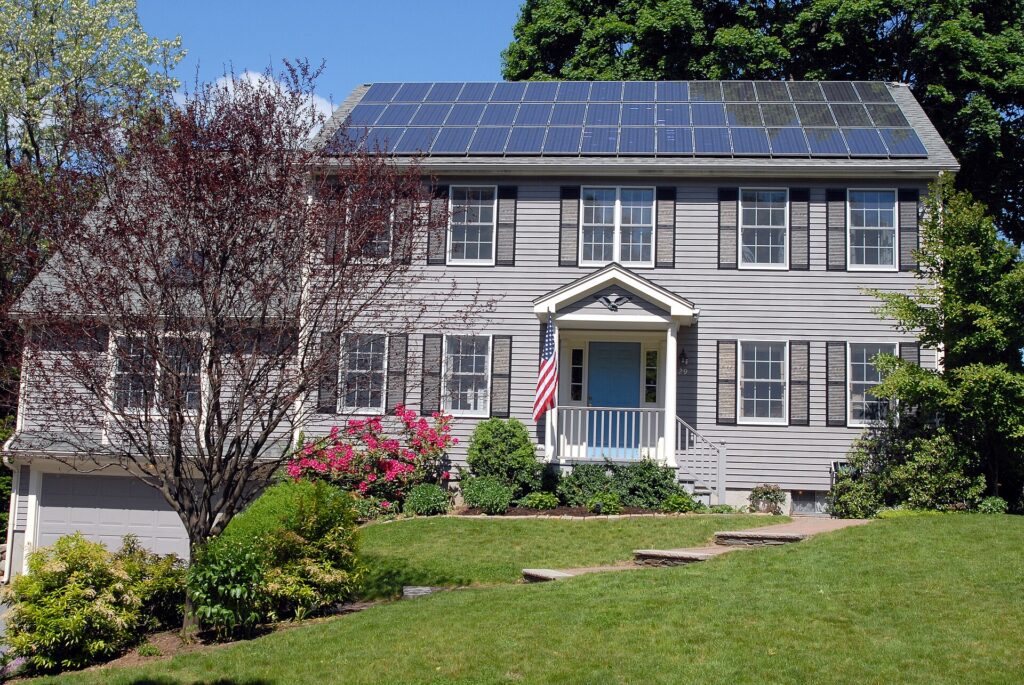
Home Batteries Are Quietly Making the Grid More Flexible
The most consequential energy technology of the decade may be the grey box on the garage wall. Home batteries, usually paired with rooftop solar, have moved from enthusiast gadget to mass-market appliance in the sunniest markets, and they are changing how electricity systems balance themselves. A battery stores cheap midday sunshine for the expensive evening peak, and aggregated by software, thousands of them behave like a power station that nobody had to build.
The household economics came first. Where export payments for surplus solar are low and evening electricity is dear, storing your own generation beats selling it cheap and buying it back dear. Add protection against power cuts, integration with electric vehicle charging and tariffs that reward flexibility, and payback periods in leading markets have compressed from decades to years. Our blog’s energy coverage follows the household end of the transition deliberately: national statistics are built from millions of decisions exactly like these.
Virtual Power Plants, Real Megawatts
The system’s gain arrives when batteries network. Virtual power plants, software platforms that coordinate thousands of home batteries, heat pumps and car chargers, can discharge in unison during a grid emergency or soak up surplus renewables that would otherwise be curtailed. Grid operators increasingly procure these services formally. Britain’s Ofgem has reformed rules so flexibility competes with building new infrastructure, on the regulator’s logic that the cheapest, cleanest megawatt is the one coordinated rather than constructed.
Households are paid for participating, through premium tariffs, event payments or cheaper hardware in exchange for grid access to a slice of capacity. The bargain requires trust: owners set limits, keep reserve charge for their own needs and can override the platform. Programmes that respect those boundaries retain members; those that treat the battery as the utility’s property do not.
Costs, Chemistry and the Next Squeeze
Battery prices have fallen dramatically over a decade, driven by electric vehicle scale, and chemistries have shifted towards lithium iron phosphate, prized in homes for safety and longevity over raw energy density. Sodium-ion cells are entering the market for stationary storage, promising relief from lithium supply worries. The International Energy Agency charts storage deployment doubling and redoubling, with behind-the-meter batteries among its fastest-growing segments.
Friction remains in the unglamorous layers: installer shortages, inconsistent grid-connection approvals, interoperability between brands, and recycling pathways for the first generation of home units now ageing. Renters and flat-dwellers, excluded from rooftop economics, risk becoming the transition’s second-class citizens unless community and landlord models spread.
What to Ask Before You Buy
Households considering a battery should interrogate the same numbers installers quote, in a different order. Start with your own consumption pattern: a battery earns most when the home uses energy in the evening and the roof generates at midday, so last year’s smart-meter data is worth more than any brochure. Check usable capacity rather than headline capacity, the warranty’s cycle and calendar terms, and whether the inverter can keep essential circuits running in a cut. Ask which tariffs and flexibility programmes the system supports today, not in a promised update, and get the grid-connection paperwork timeline in writing. Finally, plan the pairing with future purchases: a battery sized only for tonight’s usage may underserve tomorrow’s electric car. Bought with open eyes, the grey box is dull in the best way, an appliance that quietly pays its way.
There is a collective question behind the individual purchase. Every battery installed for private savings also becomes, with the owner’s permission, a small piece of public infrastructure, and the terms of that dual role, who controls it, who is paid, what happens in an emergency, are being written now in tariffs and contracts. Households joining early shape norms the rest will inherit, which is an argument for reading the small print as carefully as the payback table. You can follow the latest reporting on this and related subjects on our front page, which is updated throughout the day.
Energy transitions are usually narrated through mega-projects: offshore wind farms, nuclear stations, transmission lines. Home batteries argue for a parallel story, in which flexibility is crowdsourced from garages and lofts, one modest box at a time. The grid of the future will still need its giants. It will lean, increasingly and quietly, on the small.
