
The Tanning Myths That Keep Tripping People Up
Skin treated with laser hair removal is temporarily more sensitive to ultraviolet light, and a surprising number of clients assume a little sunshine won’t make a difference. Some believe that because the treatment targets hair follicles rather than the skin’s surface, sun exposure is a non-issue during recovery. Others think a base tan from before their appointment will somehow shield them from complications afterward. Neither assumption holds up, and both can lead to pigmentation changes that take months to fade.
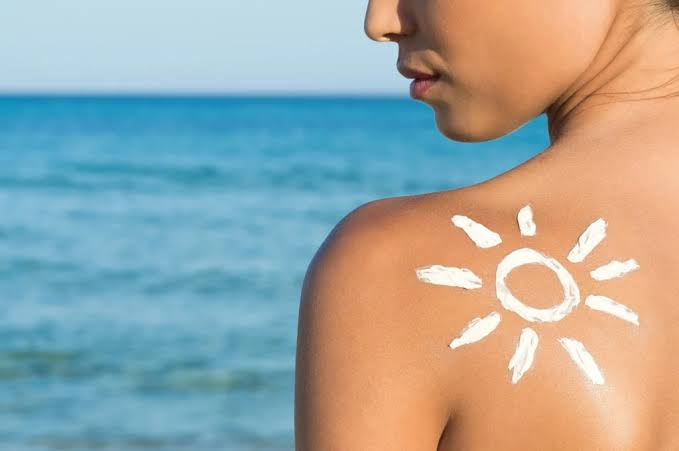
A related misconception involves sunscreen use. Plenty of people assume that any sunscreen applied sporadically will do the job, when in reality the treated area needs consistent, daily protection regardless of how cloudy or cool the weather feels. Lindon’s high-altitude climate means UV exposure stays strong even on overcast days, which catches a lot of residents off guard. Skipping protection for even a short outdoor errand can be enough to trigger irritation or uneven discoloration in freshly treated skin.
Building a Recovery Routine That Actually Protects Treated Skin
The most reliable approach starts before the appointment even happens. Clients who schedule treatments during months with lower sun intensity, or who plan around upcoming outdoor activities, tend to see smoother results with fewer pigmentation issues. Treatment providers typically recommend avoiding direct sun exposure for at least two weeks after a session, and longer if the skin shows any redness or sensitivity once the appointment ends.
For anyone researching laser hair removal in Lindon, Utah, local providers often emphasize that aftercare planning matters just as much as the procedure itself. Utah’s elevation and clear skies mean UV intensity can catch patients off guard, especially in spring and summer when outdoor plans ramp up. A treatment plan that accounts for sun exposure, rather than treating it as an afterthought, tends to produce more consistent results across multiple sessions. This is part of why providers ask detailed questions about lifestyle and outdoor habits before confirming a treatment schedule.
Hydration and gentle skincare also play a bigger role than most people expect. Harsh exfoliants, retinol products, and fragranced lotions can all aggravate skin that’s already dealing with heat and light sensitivity. Sticking to a simple routine with mineral-based sunscreen and fragrance-free moisturizer gives the skin room to recover without added irritation. The Mayo Clinic cosmetic procedures guide, available through the Mayo Clinic cosmetic procedures guide, outlines similar aftercare considerations and notes that sun avoidance is one of the most consistently recommended steps across dermatology practices.
Translating the Advice Into a Daily Habit
Turning sun protection into an actual habit requires more than good intentions on day one. It helps to keep sunscreen somewhere visible, like a car console or entryway table, so reapplication becomes automatic rather than something to remember on the fly. Setting a phone reminder for midday reapplication can also prevent the common mistake of applying sunscreen once in the morning and assuming it lasts the entire day.
Clothing choices matter just as much as topical products. Lightweight long sleeves or wide-brim hats can reduce direct UV exposure significantly, which matters most during the first two weeks after treatment when skin is most reactive. Many Lindon residents who spend time outdoors for work or recreation find that adjusting their schedule, even slightly, to avoid peak sun hours between late morning and mid-afternoon makes aftercare far more manageable.
None of this requires a complicated system. It mostly comes down to consistency and paying attention to how the skin responds in the days following treatment. Clients who treat sun protection as a routine step, rather than an occasional reminder, tend to see clearer results session after session. Small adjustments, repeated reliably, end up making the biggest difference in how smoothly the skin heals over time.
