
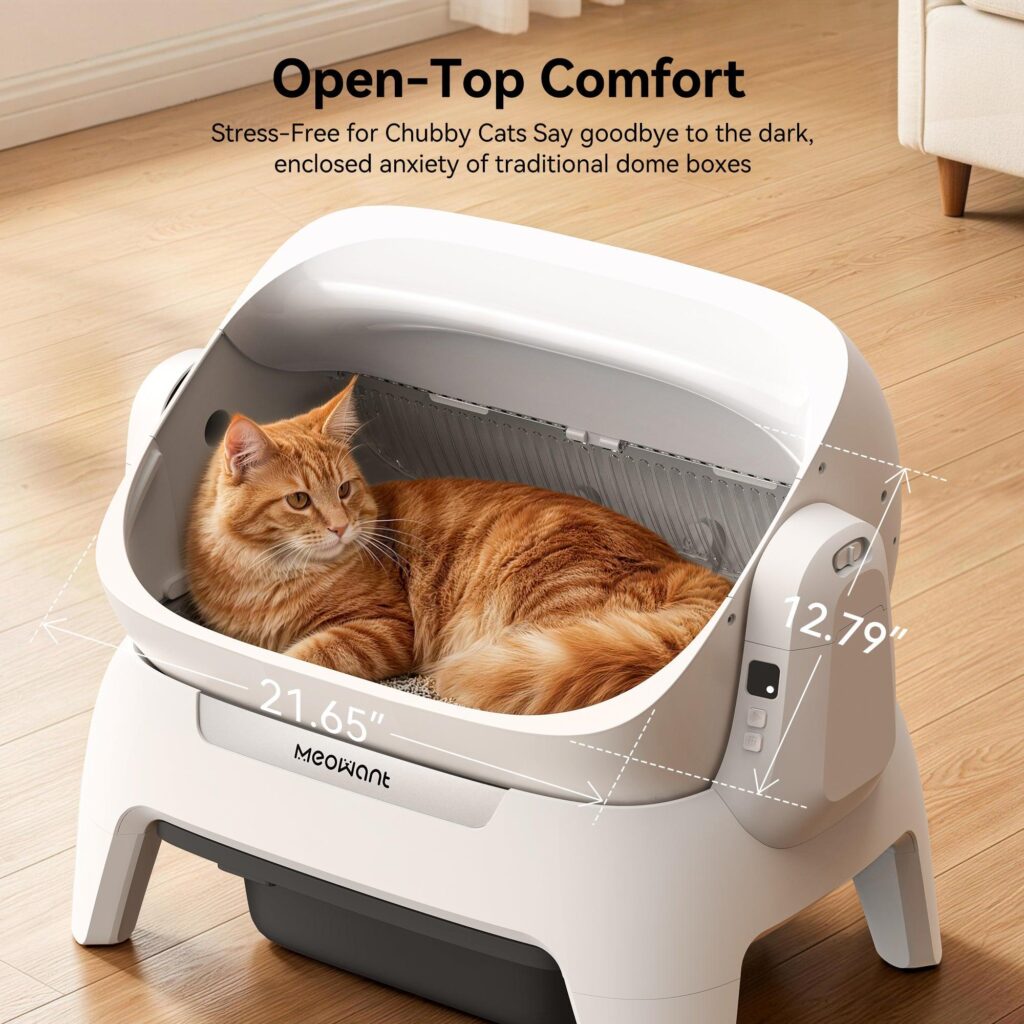
Self-cleaning litter boxes are sold on a simple promise: you stop scooping, and the box takes care of itself. In practice, the category ranges from genuinely useful to barely more than a motorized lid. The difference rarely shows up in the product photo. It shows up in how the unit detects a cat, how it handles clumps, and how much waste actually ends up sealed away from the room. For owners juggling long workdays, frequent travel, or a household with more than one cat, the stakes are practical. A box that cycles reliably means fewer odors and less daily labor, while a poorly designed one means jammed rakes, scattered litter, and a cat that refuses to use it. This guide walks through the details that matter when you compare models, so you can judge the best self cleaning litter box for your own cat rather than for a spec sheet.
What Self-Cleaning Actually Means
The phrase covers three different designs, and they behave nothing alike. A rake-and-sift model drags a comb through the litter after each visit, dropping clumps into a drawer at one end. A rotating drum turns the entire bed of litter over and sifts waste into a sealed compartment. A conveyor-belt design moves a lined surface until solids fall away. Each approach carries trade-offs in litter type, cycle noise, and how much waste sits in the open between cycles. Knowing which mechanism a unit uses tells you more than any list of features, which is why the best self cleaning litter box for one household can be a poor fit for another.
Rake, Drum, or Belt: How the Cycle Works
Rake systems are the most common because they work with standard clumping litter and are simple to service. Drums handle larger volumes and tend to seal waste more completely, but they need vertical clearance and can intimidate a nervous cat. Belt systems waste less litter, though the moving surface needs regular inspection for tears. None of these designs is universally better. The right choice depends on how many cats share the box and how much floor space you can give it.
Sensors That Prevent Accidents
A self-cleaning box is only as safe as its detection. Weight sensors, infrared beams, and entry timers should all agree before a cycle begins, and the motor should stop the moment a cat re-enters. Look for a delay long enough for a slow senior cat to walk away, plus a manual lock for the first week while your cat adjusts. Budget units sometimes rely on a single trigger, and that is exactly where jammed rakes and frightened cats come from.
Test the sensors yourself before trusting them. Place a hand inside the box while a cycle is pending and confirm the motor halts. Repeat with a light weight on the entry step, since a thin cat may register less pressure than expected. A unit that ignores a hand is not ready to run unsupervised. This single test tells you more about build quality than any feature list.
Also consider how the box behaves after a power interruption. Good designs resume in a safe state rather than mid-cycle, and they remember their settings so you are not reprogramming everything after a storm. Small details like these separate machines that survive years of daily use from ones that develop quirks within months.
Features That Separate Good Units From Frustrating Ones
Once the mechanism is sound, the details decide whether you will still like the box six months later. Ignore app integrations and glossy finishes at first and study four things instead: litter compatibility, odor control, entry design, and serviceability.
Litter Compatibility and Fill Lines
Many automatic boxes specify clumping litter within a narrow texture range. Fine sand can slip past seals, while oversized pellets can stall a rake. Fill lines matter as well. Overfilling creates drag, and underfilling leaves sticky clumps that break apart mid-cycle and smear the interior. Check whether the manufacturer publishes a recommended litter type, and expect to try one or two brands before settling. Some companies, including Meowant, list suggested litter and cycle settings, which removes much of the guesswork.
Odor Control Beyond the Drawer
A sealed drawer helps, but odor also escapes through the entry opening and the litter bed itself. Carbon filters, rubber gaskets, and a hood that limits exposed surface area all contribute. Cycle timing matters too. Waste that sits for hours before being buried in the drawer has already released ammonia into the room, so units that clean promptly after each visit usually outperform models that batch waste until a timer fires.
Matching a Unit to Your Cat and Your Home
Cat size is the first filter. A large Maine Coon needs a roomy interior and a wide entry, while a slim unit that looks tidy in photos may leave a big cat perched awkwardly at the opening. Senior cats and kittens do better with low entries and ramps, and cats with arthritis will avoid any model that demands a jump.
Household layout matters just as much. The unit needs a level floor, a nearby outlet, and clearance for the lid or drum to move. A closet with the door cracked can trap odors and dust, while a spot beside the food bowl is unappealing to most cats. A quiet corner with some foot traffic tends to work best, because cats prefer not to feel cornered while using the box.
In multi-cat homes, one automatic box rarely replaces enough capacity on its own. Standard guidance calls for one box per cat plus a spare, and an automatic unit counts as one box no matter how often it cycles. Pairing a self-cleaning model with a simple manual box in another room often solves more problems than buying a second machine.
Setup and Maintenance Routine That Keeps It Working
Budget matters, but cost per year tells a truer story than the sticker price. An inexpensive unit that needs frequent filters and repairs can cost more than a mid-priced model with durable parts. Weigh the motor warranty, the price of consumables, and the availability of replacements before you commit.
The first week is an adjustment period, not a test of the machine. Leave the unit unplugged or in manual mode, keep the old box nearby, and let your cat explore without a moving rake. Once your cat uses it consistently, turn on the cycle with the longest delay and watch one full rotation before trusting it overnight.
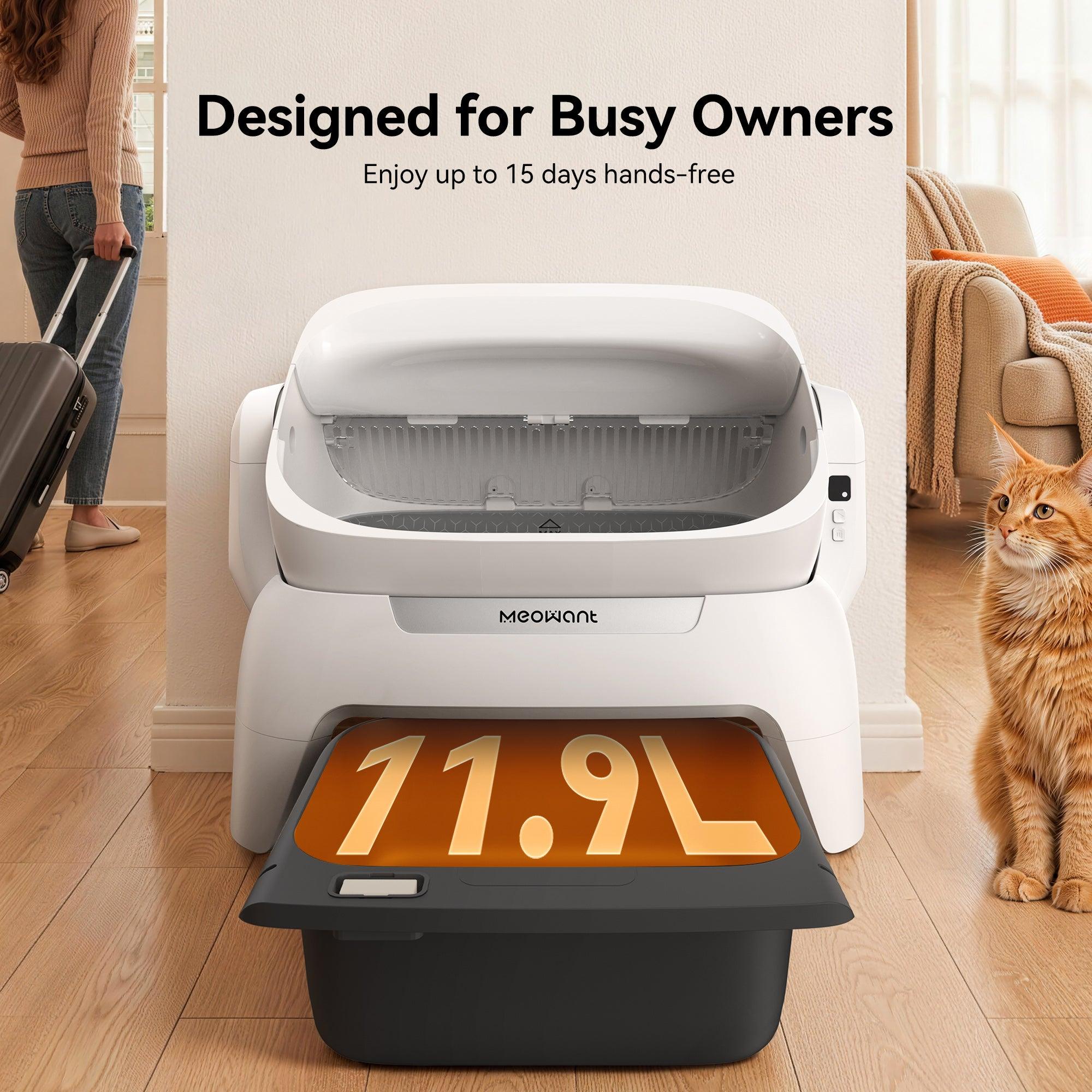
After that, maintenance is mostly about small habits. Empty the drawer before it reaches the fill line, because an overfull drawer strains the mechanism and defeats the seal. Wipe the interior with a pet-safe cleaner weekly, and skip ammonia-based products that leave a scent cats dislike. Check the rake or drum for hair wrapped around moving parts, and replace carbon filters on the recommended schedule rather than waiting for odor to return.
Watch for warning signs: repeated mid-cycle stops, litter scattered outside the entry, or a cat eliminating beside the box. Each points to a specific fix, from a sensor that needs cleaning to a litter that is too light. Addressing these early costs far less than replacing a motor that has been straining for weeks.
Noise is another signal worth heeding. A rake that once hummed and now grinds is telling you something is misaligned or overloaded. Stop the cycle, remove the drum or tray, and inspect for a clump jammed against a guide rail. Clearing it by hand takes a minute and prevents the motor from burning out during an unattended cycle.
Keep a small stock of consumables so maintenance never waits on a delivery. Carbon filters, drawer liners, and a backup scoop take little space and prevent the slide into neglect that starts with a missing part. Owners who plan ahead tend to keep their units running for years, while those who improvise often let a simple service task turn into a full replacement.
Choosing a Box That Earns Its Place
Self-cleaning litter boxes are not magic, but a well-matched one genuinely reduces daily work and keeps odors under control between cleanings. Focus on the mechanism, the safety sensors, and the fit for your cat before you look at app features or styling. Then commit to the first-week transition and a simple maintenance routine. Do those things, and the machine will do what it promised: handle the scooping so you can spend that time with your cat instead.
