
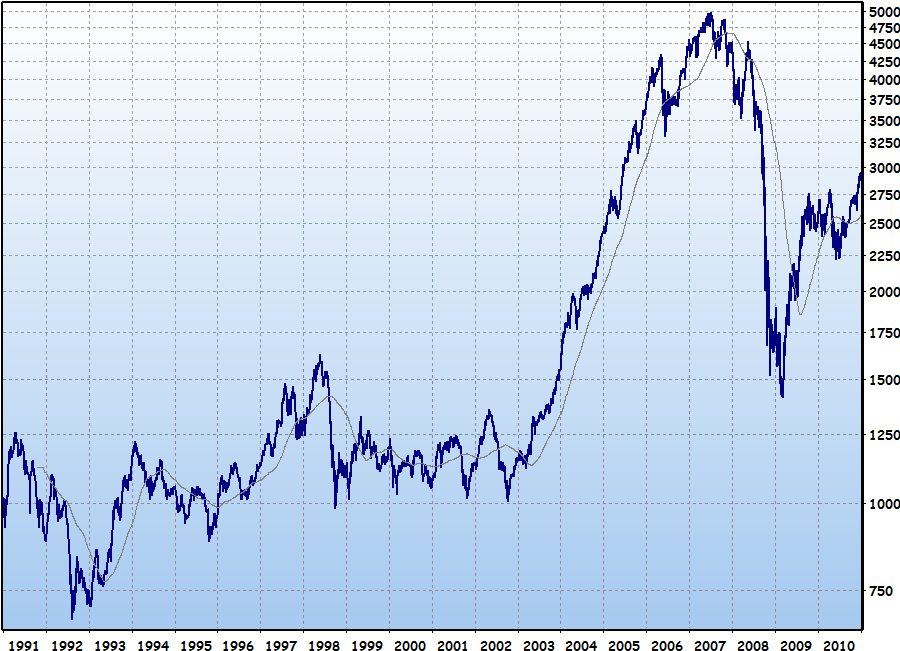
The S and P 500 entered correction territory in the week ending November 20 2026, falling 8.6 percent for the week in its worst performance since March 2020, when the pandemic first swept through the global economy. The Nasdaq plunged 10 percent over the same week, also its worst since March 2020, and the Dow Jones Industrial Average lost 8 percent. The S and P 500 has now fallen for six straight sessions, and the selling hit almost every member of the Magnificent Seven, dragging double digit losses through chip makers and cloud companies. Friday alone saw the Nasdaq fall 5.3 percent, wiping out its entire gains for the year. The selloff spread far beyond technology, with banks, retailers and industrial stocks also falling as investors questioned whether the artificial intelligence boom had been overvalued.
What the Evidence Shows
A fierce public backlash against data centre construction, a crisis at Nvidia and a fizzling Anthropic listing all landed in the same week, and for the first time since ChatGPT appeared in late 2022, nothing could persuade investors that the selloff was merely a speed bump. Nvidia’s earnings report on Tuesday beat estimates, but investors wanted clarity on the scandal that felled chief executive Jensen Huang and did not get it, so the selling continued. Anthropic’s shares jumped 34 percent above the listing price within minutes of trading on Thursday, then reversed almost as quickly and closed well below the session high. The week left the market asking whether the artificial intelligence trade, which carried stocks for four years, has finally run out of road. Reporting and analysis from sources such as World Bank track the same developments, and specialists following the S and P 500 weekly correction say the direction is now consistent across independent lines of evidence.
The Wider Context
For households and small firms, the S and P 500 weekly correction matters through prices and access rather than through market commentary. Changes at this level arrive as a rate on an offer letter, a fee on a statement or a product that quietly disappears from a comparison table. Consumer groups argue that transparency at exactly that point of decision is worth more than any amount of market-level reporting.
What Happens Next
The outlook for the S and P 500 weekly correction hinges on policy choices that will be made in the open over the coming quarters. Market participants are positioned for more than one outcome, which is why the immediate reaction to each announcement has been smaller than the commentary around it. For ordinary savers and borrowers, the advice from every quarter is the same: review your own position, not the headlines. You can follow related developments in our coverage of finance.
It is also worth remembering how quickly the picture in this area has changed before. Positions that looked settled a few years ago have been revised as new data arrived, and the same humility is appropriate now. The strongest coverage of this subject, and the most useful advice, tends to come from sources that update their views openly when the facts move, rather than defending an earlier position long after it has stopped fitting the evidence available.
