
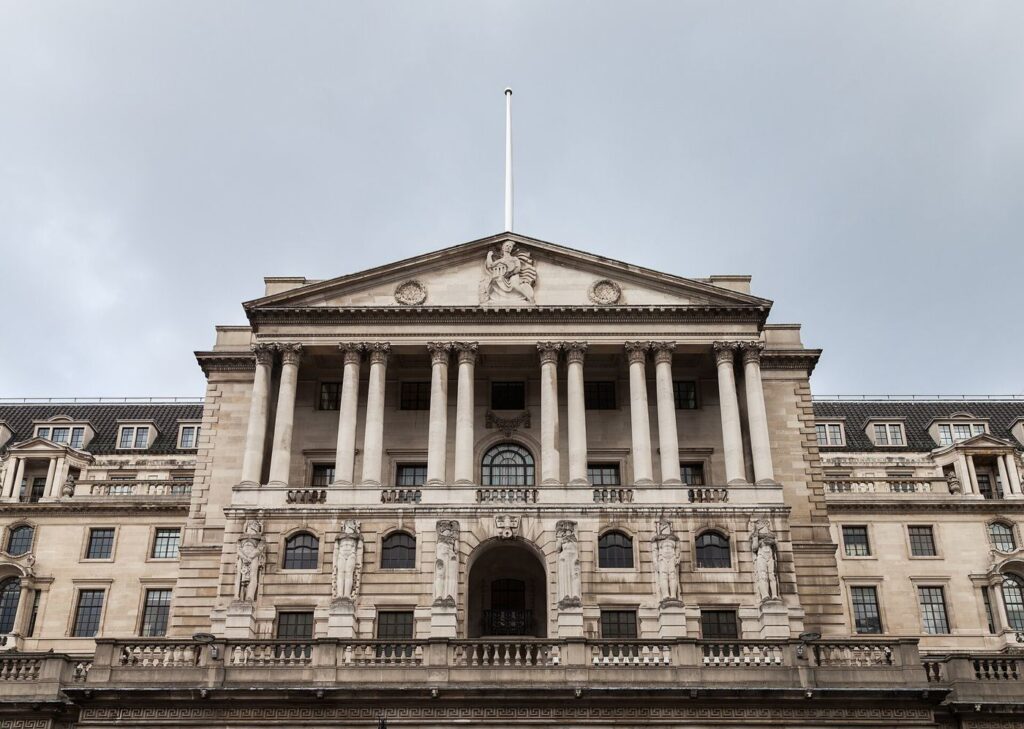
The Bank of England warned on November 26 that AI-linked financing has become complex and opaque, with more than $4 trillion in large-tech exposure, as it published its Financial Stability Report, market reports said. The report also cut UK bank capital requirements, a move that frees up lending capacity but has drawn scrutiny at a time of market stress. Governor Andrew Bailey told Parliament’s Treasury Committee on November 25 that it is more likely than not the Bank will have to raise interest rates further if energy prices stay elevated. The report landed on a day of thin Thanksgiving trading, with US markets closed.
What the Evidence Shows
The warning reflects growing unease among central bankers about the financing behind the artificial intelligence boom, where huge sums have been raised through layered structures that are hard for outsiders to value. The Bank’s concern echoes the Federal Reserve’s own caution, with Fed minutes noting financial vulnerabilities tied to AI investment. At the same time, the Bank said UK food price inflation could reach 5 percent next year, despite rising less sharply than feared since the Iran war began. The combination of opaque AI lending, sticky inflation and a possible rate rise leaves the Bank balancing financial stability against the need to keep price pressures in check. Reporting and analysis from sources such as World Bank track the same developments, and specialists following the Bank of England’s stability warning say the direction is now consistent across independent lines of evidence.
The Wider Context
For households and small firms, the Bank of England’s stability warning matters through prices and access rather than through market commentary. Changes at this level arrive as a rate on an offer letter, a fee on a statement or a product that quietly disappears from a comparison table. Consumer groups argue that transparency at exactly that point of decision is worth more than any amount of market-level reporting.
What Happens Next
The outlook for the Bank of England’s stability warning hinges on policy choices that will be made in the open over the coming quarters. Market participants are positioned for more than one outcome, which is why the immediate reaction to each announcement has been smaller than the commentary around it. For ordinary savers and borrowers, the advice from every quarter is the same: review your own position, not the headlines. You can follow related developments in our coverage of finance.
It is also worth remembering how quickly the picture in this area has changed before. Positions that looked settled a few years ago have been revised as new data arrived, and the same humility is appropriate now. The strongest coverage of this subject, and the most useful advice, tends to come from sources that update their views openly when the facts move, rather than defending an earlier position long after it has stopped fitting the evidence available.
