
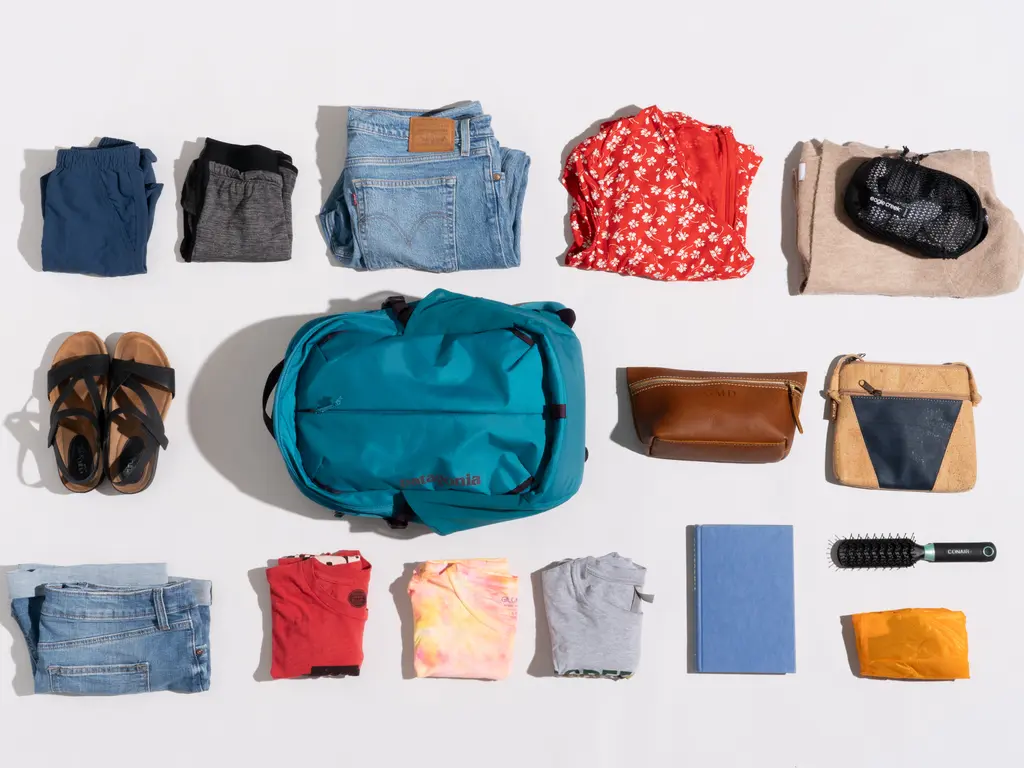
A smaller travel bag starts with clearer decisions before anything goes into it. Packing individual favourites can leave you with plenty of clothing but few complete outfits, especially when the pieces need different shoes or outer layers. Build your list around the trip itself: the expected weather, planned activities, laundry access, and the amount you are comfortable carrying between places. Then select clothes that can work together across those situations.
Give each item a place in the trip
Write a simple outline of the days ahead, including travel time and any occasions with particular dress expectations. This does not require assigning an exact outfit to every hour. It helps you distinguish between clothing you are likely to use and clothing packed for an unlikely scenario. Check current forecasts close to departure and adjust the selection to suit the actual destination.
If you are choosing a travel piece from the Corteiz collection, test it with the other items on your list before making it part of the bag. Confirm the fit and comfort in advance. A journey is an inconvenient time to discover that a new garment needs a different layer, unfamiliar footwear, or more frequent adjustment than expected.
Distinguish between activities that require a separate outfit and activities that only need a small adjustment. An informal dinner may work with the same trousers and a different top, depending on the venue and your plans. A specific event might require something entirely separate. Make those decisions before packing, and verify dress expectations where relevant. Otherwise, uncertainty tends to turn into duplicate outfits added at the last minute without a clear reason for carrying them.
Build combinations around shared pieces
Begin with bottoms that work for the activities you have planned, then add tops that combine with more than one of them. Choose outer layers that fit comfortably over those tops. Lay everything out and check the combinations in person. Colours that seem compatible in memory may differ in daylight, and two garments with similar volume can create more bulk than you intended.
Use accessories selectively to change the appearance of repeated clothing. A small change in styling can make a familiar combination feel different without requiring another full outfit. Keep practical needs in view: anything you pack should be comfortable to wear, straightforward to store, and appropriate for the places you expect to visit. Avoid adding accessories simply because they take up little space.
Choose a realistic amount of repetition. If you are happy wearing the same outer layer throughout a short trip, build the rest of the selection around it. If you prefer changing your top each day, allow for that instead of adopting someone else’s minimalist packing rule. Your habits matter because the bag must work when you arrive. A smaller selection should remove unnecessary decisions, not create a daily negotiation with clothing choices you already know you will dislike.
Account for footwear and laundry
Shoes can determine how much room remains for everything else, so select them alongside the outfits rather than at the end. Consider the surfaces, walking distances, and occasions on your itinerary. Choose footwear whose comfort you already understand, then verify that your trousers sit well over it. Pack an additional pair only when it serves a clear purpose that the first pair cannot reasonably cover.
If you plan to wash clothes during the trip, check both laundry access and garment care requirements. Do not assume that accommodation will provide a suitable washing machine or enough drying space. Allow time for clothing to dry before moving on. A smaller packing list works best when any planned laundry is realistic, including the effort you are willing to spend on it.
Include a simple plan for separating worn clothing from clean items. Use an appropriate pouch or compartment, and avoid putting damp garments into storage as if they were dry. If plans change and laundry becomes unavailable, decide which clean combinations remain before shopping or repacking. This keeps a minor inconvenience from becoming a reason to carry many speculative extras. The aim is manageable flexibility based on the trip’s length and conditions, rather than preparing for every possible disruption.
Do a complete packing rehearsal
Pack the bag a day or two before departure if possible, using the arrangement you intend to travel with. Place frequently needed items where you can reach them easily. Check the carrier’s current baggage rules, and include toiletries, chargers, and other essentials in your space calculation. Clothing is only one part of the load, so an empty corner may already have another job.
Lift the bag, carry it briefly, and open it as you would during the journey. Remove items that lack a convincing use, then check that each remaining outfit still works. Keep a note after returning of what you wore and what stayed untouched. That record turns the next packing session into a practical adjustment instead of another exercise in preparing for every imaginable possibility.
Consider the order in which you will need things. Keep a layer for the journey accessible without unpacking the main compartment, and place clothing for the first planned activity together if that helps you settle in. Check that anything fragile or prone to snagging is protected appropriately. Your preferred packing method can be simple: the useful measure is whether the clothes fit, remain accessible, and arrive in a condition suitable for their intended use.
Make the final review specific
For each garment in the bag, name an outfit and an occasion where you expect to wear it. If you cannot do so, set it aside and see whether any real gap appears. Then review the complete selection for the trip’s important requirements, including weather, comfort, planned occasions, and enough clean clothing between realistic laundry opportunities.
Take a quick photograph of the final selection or save the list on your phone. After the trip, mark what was useful, what was missing, and what never left the bag. Be specific about the reason: a garment might have been unnecessary because plans changed, or because it never worked with the shoes you brought. Those are different lessons for the next journey.
For further reading, visit Oxpoll. For your next trip, start by planning a few complete combinations before opening the suitcase. That small change makes it easier to carry clothing you can actually use and to leave the uncertain extras at home.
