
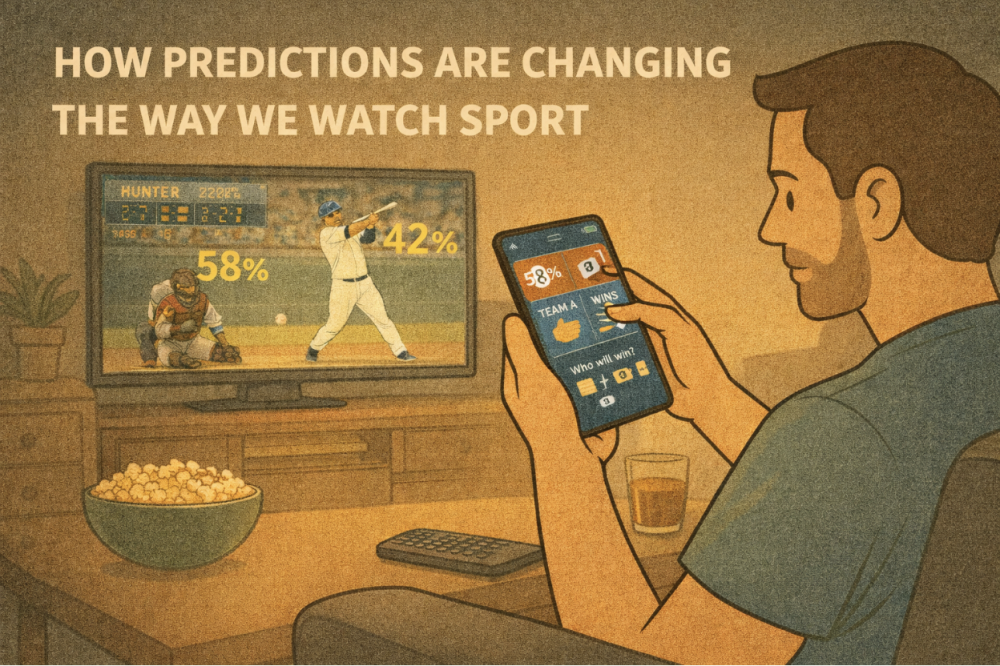
Sports polls are an easy way to turn a match into a conversation. Supporters vote for the team they expect to win, compare opinions, and share the results with friends. The numbers can be entertaining, but they are not the same as a carefully designed statistical forecast. A popular team may attract more votes simply because it has more fans participating in the discussion.
When a poll mentions betting-related brands such as tk88, readers should distinguish audience sentiment from independent evidence. A vote count shows what a particular group selected, not the true probability of a result. If participation is voluntary, the sample may be heavily biased. People with strong opinions are often more likely to respond than those who are uncertain or uninterested.
Question wording can change the result as well. Asking which team someone supports is different from asking which team they expect to win. A poll that offers only two choices may ignore a draw or other relevant possibilities. The timing of the question matters too: an injury announcement or lineup change can influence opinions dramatically in a short period.
Even a large poll can be misleading if the audience is not representative. Ten thousand votes from one team’s supporters do not necessarily provide a better forecast than a smaller, carefully selected sample. Percentages can create an impression of precision, so readers should ask who was invited, who responded, and whether duplicate or automated votes could affect the outcome.
Market odds introduce another layer of complexity. They reflect pricing decisions and a margin, rather than being direct public-opinion surveys. Comparing odds with a poll can reveal interesting differences, but neither should be treated as a guarantee. Sport remains uncertain, and a convincing narrative after the fact can make an earlier guess seem more reliable than it actually was.
Poll organizers can improve quality by stating who was eligible to vote, when voting took place, and how duplicate submissions were handled. Those details do not turn a casual poll into scientific research, but they help readers interpret the result fairly. A chart without context is easy to share and easy to misunderstand; a short methods note can prevent exaggerated conclusions.
Polls work best as tools for discussion and curiosity. They help fans see contrasting views and explore why people disagree. If a viewer also considers wagering where it is lawful, the sensible approach is to treat predictions cautiously, set firm limits, and avoid chasing popular opinions. A vote can start a conversation; it cannot remove the uncertainty from a match.
