
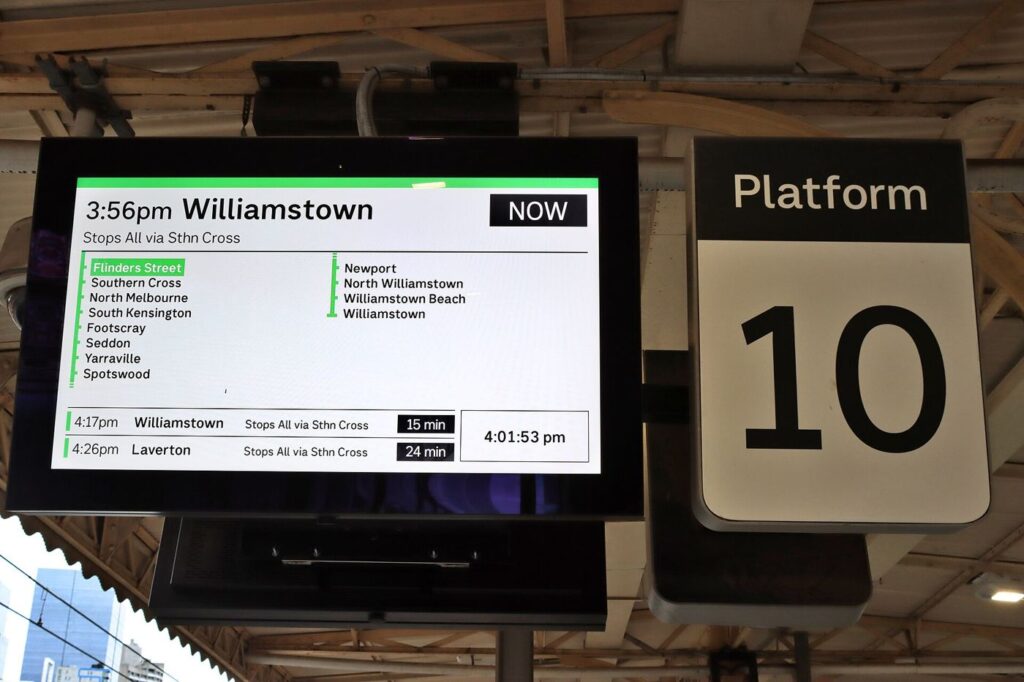
New sleeper routes, faster intercity services and simpler ticketing are persuading travellers to choose trains for journeys they once flew without thinking. The story matters because it reaches well beyond specialists, touching households, businesses and public services in ways that are only now becoming clear. Specialists in the shift from short flights to rail say the latest developments deserve attention precisely because they are measurable: the claims can be checked, the numbers are published, and the people responsible can be asked what happens next.
Inside the shift
Reporting from several regions points in the same direction. Officials responsible for delivery describe a programme that began as a pilot and has since been written into budgets and planning documents. Civil society groups, meanwhile, have pressed for transparency, publishing their own data and holding public meetings where residents can question the people in charge. That scrutiny has improved the quality of official statistics, and independent analysts now broadly agree on the scale of what is happening, even where they differ on causes. Reporting by BBC News has tracked the same trend from a different angle, and its conclusions align closely with what local observers describe.
Costs remain the deciding factor for many people, with early adopters paying a premium that is expected to fall as scale increases. On this site, continuing coverage in our News section has followed the shift from short flights to rail as it moved from specialist debate to a topic readers ask about directly, in comments, at events and in the questions they send the newsroom.
What to watch next
For the public, the immediate effects are practical ones: new timetables, new forms to fill in, new prices at the till and new arguments at kitchen tables. Local representatives say their inboxes reflect that mix of hope and irritation, and most expect the politics to settle once services either visibly improve or visibly fail to. Businesses operating across regions complain about patchwork implementation, and trade bodies have asked for a single, stable set of rules rather than announcements that change with each news cycle. Rail operators involved in the work emphasise that timelines are realistic rather than heroic, and that the next phase depends as much on public response as on technical or financial capacity.
Sceptics make points that deserve an answer rather than dismissal. Some note that early data can flatter new approaches, that funding shapes which questions get studied, and that media coverage — including coverage of this story — tends to amplify the novel over the representative. Those cautions are well founded, and the most credible voices in the field are usually the first to voice them. The balance of evidence, though, has moved: what was a plausible hypothesis a few years ago is now supported by multiple independent lines of work, and the burden of proof is shifting accordingly. Small organisations are adapting faster than large ones in several of the case studies published this month.
The safest conclusion is that this is a story in motion rather than a finished chapter. Expect more announcements, more scrutiny and, before long, a clearer picture of who gains and who has to adapt.
