
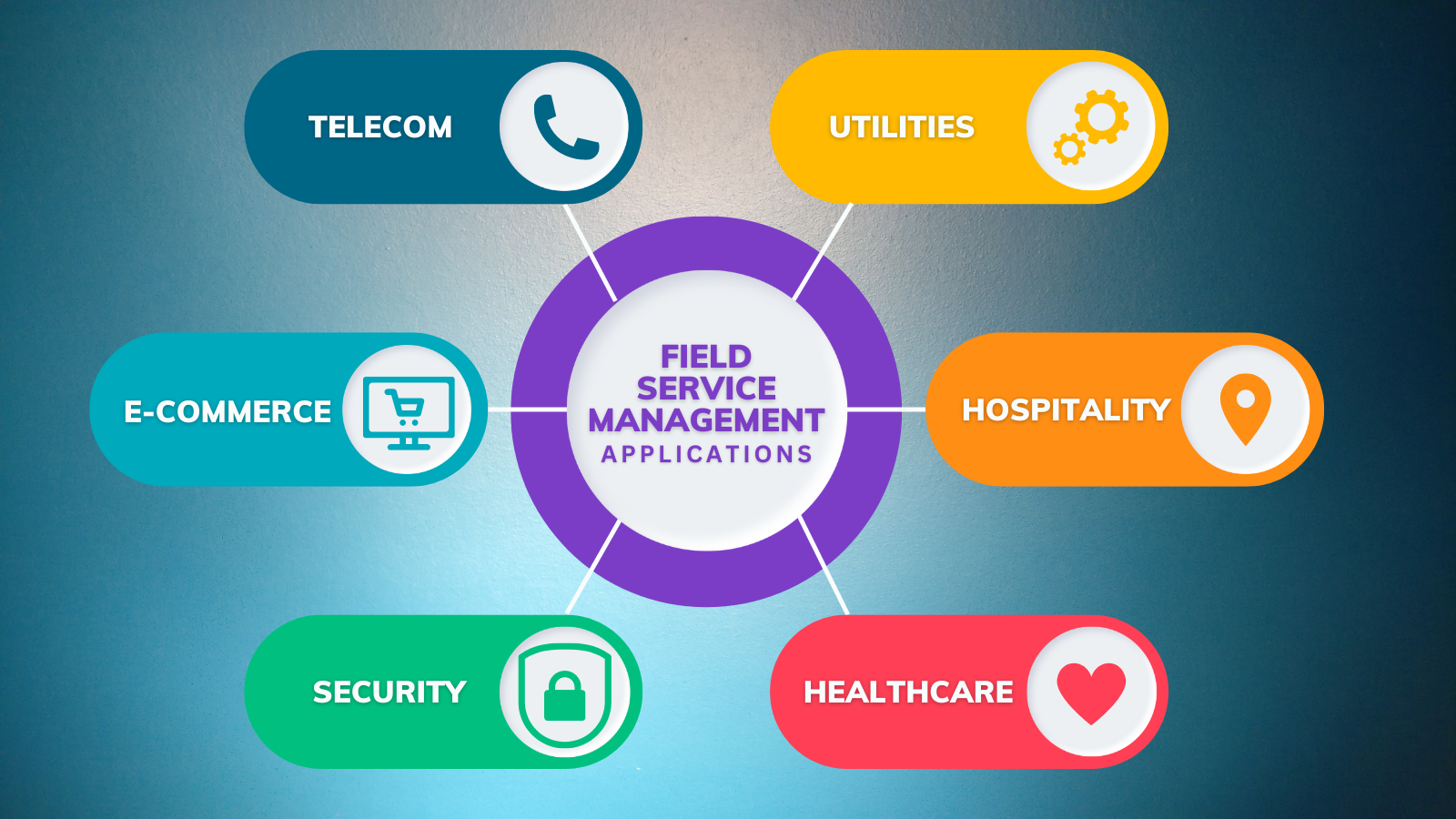
If your business sends people out to do work, you already know how quickly a busy day can turn into a scramble of missed calls, forgotten details, and paperwork that piles up faster than you can process it. Field service software exists to bring calm and control to exactly that kind of operation, and understanding what it does is the first step toward running a tighter, more profitable service company.
What Is Field Service Software?
Every business that sends people out to customer locations faces the same core challenge: keeping the office and the field in sync. Jobs need to be scheduled, technicians need to know where to go, parts have to be tracked, and customers expect updates. When this coordination lives on paper, in spreadsheets, or in a tangle of phone calls and text messages, small mistakes quickly add up to lost revenue and frustrated clients.
Field service software is a category of tools designed to solve exactly this problem. At its heart, it connects the people planning work with the people performing it, giving both sides a single source of truth. Managers see the full picture of every job, technician, and appointment, while workers in the field receive clear instructions on their phones and report back in real time.
The result is a smoother operation where nothing slips through the cracks. Instead of reconstructing what happened at the end of the week, the entire team works from live, shared information throughout the day.
Core Features to Look For
Not all platforms are built the same, but the strongest ones share a common foundation. Scheduling and dispatch sit at the center: a visual calendar or board where you assign jobs to the right person based on skills, location, and availability. Drag-and-drop rescheduling makes it easy to adapt when priorities change or an urgent call comes in.
A mobile app for technicians is equally essential. Field workers should be able to see their route, open job details, check off tasks, capture photos, collect signatures, and mark a job complete without ever returning to the office. Offline support matters too, because coverage is never guaranteed at every site.
Look also for customer management, quoting and invoicing, checklists that enforce quality standards, and reporting that turns raw activity into insight. Good modern platforms like field service software bring these pieces together so you are not stitching five separate tools into a fragile workflow.
The Business Benefits
The most immediate payoff is time. Automated scheduling and digital job records eliminate hours of manual data entry, phone tag, and paper shuffling every week. That time goes straight back into completing more jobs or serving customers better.
The second benefit is consistency. Standardized checklists and templates mean every technician follows the same proven process, regardless of experience. New hires ramp up faster, and quality stops depending on who happens to be on site.
Third comes visibility. When managers can see job status in real time, they catch delays before customers do, balance workloads across the team, and make decisions with data instead of guesswork. Over time, that visibility compounds into measurable gains in productivity and profit.
How to Choose the Right Platform
Start with your actual workflow, not a feature checklist. Map how a job moves from first contact to final invoice, and identify where the friction lives today. The right software should remove those specific bottlenecks rather than force you to reshape your business around it.
Consider ease of use for your least tech-savvy technician. A powerful tool that nobody adopts delivers zero value, so trial the mobile app with real workers before committing. Check integration with the accounting or CRM tools you already rely on, and confirm the pricing scales sensibly as you add people.
Finally, weigh the quality of onboarding and support. Implementation is where many rollouts succeed or fail. A vendor that helps you import data, configure templates, and train your team will get you to value far faster than one that simply hands over a login.
Getting Started Without Disruption
You do not have to digitize everything at once. Many companies begin with scheduling and the mobile app, then layer in invoicing, inventory, and analytics as the team grows comfortable. This staged approach keeps daily operations running while the new system beds in.
Involve your technicians early. The people using the tool every day will surface practical issues no manager can predict, and giving them a voice turns skeptics into advocates. Celebrate small wins, such as the first paperless week, to build momentum.
Field service software is no longer a luxury reserved for large enterprises. Affordable, cloud-based platforms have put the same coordination power in reach of two-person crews and growing regional companies alike. The businesses that adopt it are the ones that scale without drowning in administrative chaos, and the gap between them and their paper-based competitors only widens over time.
Common Signs You’ve Outgrown Paper and Spreadsheets
There are clear warning signs that your current way of working is holding you back. If your office spends more time coordinating jobs than serving customers, if technicians regularly arrive without the information they need, or if invoices go out days after the work is done, these are symptoms of a coordination problem that grows worse with scale.
Other red flags include double-booked appointments, work that falls through the cracks because it was only ever written on a sticky note, and an inability to answer a simple question like which jobs are running late today. Each of these represents lost revenue and eroded customer trust, even if no single instance feels catastrophic.
When these frustrations become routine rather than occasional, it is a signal that manual methods have hit their ceiling. That is precisely the moment field service software delivers the most value, replacing fragile human coordination with a reliable, shared system that keeps pace with a growing workload.
The Long-Term Payoff of a Connected Operation
The benefits of field service software compound over time in ways that are easy to underestimate at the outset. In the first weeks you notice the obvious wins: less paperwork, fewer missed jobs, faster invoicing. But the deeper value accumulates as your historical data grows and your processes mature around the system.
After a year of operation, you hold a rich record of every job, customer, and technician’s performance. That history lets you forecast demand, staff appropriately for busy periods, and identify which services and customers are most worth pursuing. The software stops being merely a coordination tool and becomes a strategic asset that informs how you run and grow the whole company.
Perhaps most importantly, a connected operation is a resilient one. Knowledge no longer walks out the door when an employee leaves, because it lives in the system rather than in someone’s head. New hires onboard against documented processes, and the business becomes less fragile and more valuable, whether you plan to scale it, sell it, or simply enjoy running it with less stress.
