
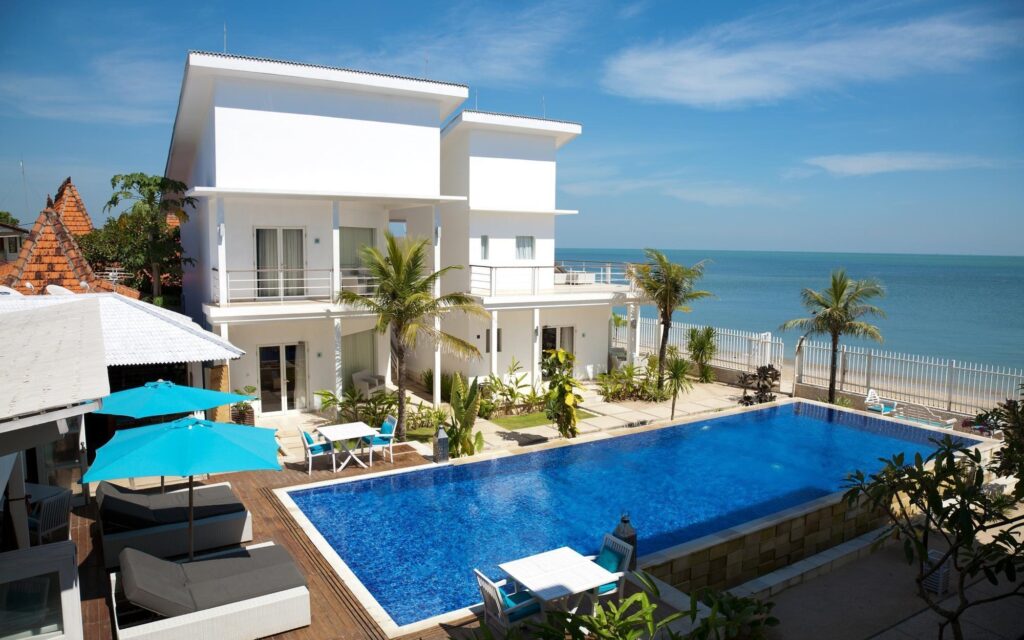
A home is no longer judged only by its appearance, size, or location. Today’s buyers are looking for spaces that can adapt to changing lifestyles, support sustainability, and remain valuable for years to come. This shift has encouraged the best luxury real estate developers to rethink traditional construction approaches and focus on creating residences that serve future needs.
Modern builders are moving beyond basic structures by integrating thoughtful planning, smart technology, efficient designs, and environmentally responsible solutions. The homes being created today are designed not just for current homeowners but also for the generations who will experience them tomorrow.
Moving Beyond Conventional Homebuilding Approaches
The concept of home construction has changed significantly over the years. Earlier, builders mainly focused on completing projects with functional layouts and attractive finishes. While these elements remain important, future-ready homes require a much broader approach.
Modern construction now considers factors such as:
- Changing family structures and lifestyle preferences.
- Energy efficiency and environmental impact.
- Long-term maintenance requirements.
- Technology integration.
- Community-focused living experiences.
For example, a spare room today may function as a workspace, while in the future it could become a study area, guest room, or personal wellness space. Builders are increasingly recognizing that adaptability is one of the most important characteristics of future homes.
Designing Spaces That Support Modern Lifestyles
The way people use their homes has changed dramatically. Remote work, digital connectivity, health awareness, and a greater focus on personal comfort have influenced residential design.
Future-oriented builders are incorporating features that improve everyday living, including:
Flexible Interior Planning
Open layouts, efficient storage solutions, and convertible spaces help homeowners make better use of available areas. Instead of creating rooms with limited purposes, modern designs focus on versatility.
Wellness-Centered Features
Natural lighting, ventilation, green spaces, and peaceful surroundings are becoming essential parts of residential planning. Homes are being designed to promote physical comfort and mental well-being.
Technology-Enabled Living
Smart home systems are becoming increasingly common in premium residential developments. Automated lighting, security solutions, energy monitoring, and connected appliances help improve convenience while supporting efficient resource usage.
These design choices reflect a broader understanding that a home is not just a physical structure. It is an environment that influences how people work, relax, connect, and grow.
Sustainability Is Becoming a Core Element of Residential Development
Future generations will inherit the impact of today’s construction decisions. This responsibility has encouraged builders to adopt more sustainable practices throughout the development process. Green building practices are no longer viewed as optional additions. They are becoming an important factor in creating responsible residential communities.
Sustainable homes focus on reducing environmental impact through:
- Better energy management
- Water conservation systems
- Eco-friendly materials
- Improved natural ventilation
- Reduced construction waste
A home designed with sustainability in mind can provide long-term advantages for homeowners through lower operational costs and improved efficiency. More importantly, it contributes to creating healthier surroundings for future residents.
Creating Communities Instead of Just Buildings
A future-ready home is influenced not only by its internal design but also by the environment around it. Modern builders are paying greater attention to community planning, ensuring that residential developments offer meaningful experiences beyond individual homes.
Today’s buyers increasingly value:
- Landscaped areas
- Recreational spaces
- Safe surroundings
- Social interaction zones
- Convenient access to essential facilities
The focus has shifted from isolated residences to connected communities where people can enjoy comfort, security, and a better quality of life. This approach is particularly important in luxury residential projects, where buyers seek more than premium materials and elegant designs. They want thoughtfully planned environments that support their aspirations and daily routines.
Quality and Innovation Are Shaping Long-Term Value
Building homes for future generations requires a balance between innovation and durability. Trends may change, but quality construction remains a lasting priority.
Experienced builders understand that long-term value depends on several factors, including:
- Strong structural planning
- Reliable materials
- Attention to finishing details
- Efficient design decisions
- Future maintenance considerations
A visually impressive home may attract attention initially, but a well-planned property continues to deliver value over decades. This is why many buyers carefully evaluate builders who demonstrate expertise, reliability, and a forward-thinking approach. The role of a trusted developer extends beyond construction. It involves understanding market expectations, anticipating future requirements, and delivering spaces that remain relevant over time.
How Buyers Can Identify Future-Ready Homes
For buyers planning a residential investment, evaluating future potential is essential. A modern home should not only meet current preferences but also offer lasting benefits.
Important factors to consider include:
Design flexibility:
Homes with adaptable layouts can accommodate changing personal and family requirements.
Sustainable features:
Energy-efficient solutions and environmentally conscious designs contribute to long-term savings.
Location planning:
A well-connected location improves convenience and enhances property value.
Construction quality:
Strong materials and expert execution ensure durability and reduced maintenance concerns.
Community infrastructure:
Thoughtfully developed surroundings improve overall living experiences.
Choosing a future-ready home is ultimately about making a decision that remains beneficial over many years.
The Changing Role of Builders in Real Estate Development
Builders today are not only responsible for creating physical structures. They are shaping lifestyles, communities, and future living standards. As expectations continue to evolve, the construction industry must combine creativity, technology, and responsible planning.
The best luxury real estate projects are those that successfully balance aesthetics, functionality, sustainability, and long-term value. They reflect an understanding that a home should continue serving its residents even as lifestyles and priorities change.
Developers who embrace innovation and focus on meaningful design will play an important role in defining the future of residential spaces. Their work will influence how future generations experience comfort, connectivity, and quality living.
Conclusion
Future-ready homes are becoming a reflection of how residential development is evolving with changing lifestyles, environmental responsibilities, and technological advancements. Modern builders are focusing on creating spaces that remain practical, efficient, and valuable for years to come. By prioritizing flexible designs, sustainable solutions, and quality construction, the homes built today can continue supporting future generations. The shift from simply constructing properties to creating meaningful living environments highlights the importance of thoughtful planning and innovation in the real estate sector.
Genurise Builders is committed to developing residential spaces that combine contemporary design, quality construction, and future-focused planning. With an emphasis on creating comfortable and valuable homes, the company aims to deliver living environments that meet evolving buyer expectations while contributing to the growth of modern residential communities.
