
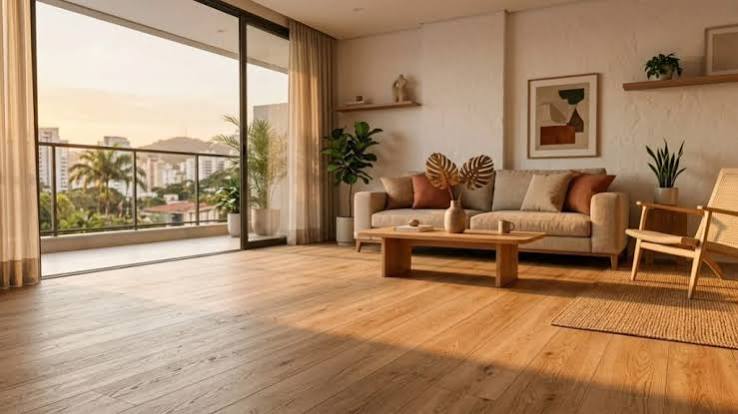
Floors have a major influence on the character of a room. Whether you have chosen sleek porcelain tiles, patterned ceramics, natural stone, or another stylish finish, a new floor can instantly make an interior feel more polished. The challenge is keeping it that way.
Daily life is not especially kind to flooring. Shoes bring in grit, spills happen, furniture gets moved, and busy areas gradually lose some of their original freshness. Fortunately, a floor does not have to look tired simply because it has been in place for a few years. With sensible maintenance and a little preventative care, you can preserve much of the style that made you choose it in the first place.
Start With a Consistent Cleaning Routine
One of the simplest ways to maintain fashionable flooring is to prevent dirt from becoming established. Dust, crumbs, sand, and other small particles may seem harmless, but they can be abrasive when repeatedly walked across a surface.
Regular sweeping or vacuuming helps remove loose debris before it has the opportunity to cause problems. How frequently you need to clean will depend on the household. An entrance hallway in a busy family home will naturally require more attention than a tiled floor in a rarely used guest bathroom.
Mopping should also form part of the routine where appropriate. Avoid assuming that stronger cleaning products automatically produce better results. The best product depends on the flooring material, and harsh or unsuitable chemicals can sometimes affect the finish. Following the flooring manufacturer’s care recommendations is a safer approach.
Give Grout the Attention It Deserves
When people think about keeping a tiled floor attractive, their attention naturally goes to the tiles. However, grout lines can have just as much impact on the overall appearance. Fresh, evenly colored grout helps create crisp lines between tiles. As time passes, grout can collect dirt and become stained or discolored, making an otherwise attractive floor look older than it really is.
Cleaning is important, but protection also matters. Depending on the type of grout and existing treatment, professional tile and grout resealing can help protect these areas and support the long-term appearance of a tiled floor. Resealing can be particularly worth considering when an existing sealer has deteriorated or when grout is becoming increasingly difficult to keep looking clean. Taking care of the spaces between your tiles is one of those relatively small details that can make a surprisingly big visual difference.
Deal With Spills Promptly
There is always a temptation to leave a small spill until later, particularly when you are busy. Getting into the habit of cleaning spills promptly can make floor maintenance much easier.
The correct response depends on what has been spilled and the flooring material involved. In many situations, acting quickly reduces the chance of staining or residue being left behind.
This matters in kitchens and dining areas, where floors may encounter everything from sauces and cooking oils to coffee. Bathrooms have their own challenges, including water, cosmetics, and personal care products. Keeping basic cleaning supplies within easy reach makes quick action more convenient.
Protect Busy Areas
Some parts of a floor inevitably receive more wear than others. For example, entrances, hallways, kitchens, and the areas around sofas or dining tables can experience far more foot traffic than the edges of a room.
Strategically placed rugs and mats can help protect these areas while adding another decorative layer to the interior. An attractive runner, for example, can protect a hallway while introducing color, texture, or pattern.
Entrance mats are especially useful because they catch some of the dirt and grit that would otherwise travel farther into the home. Remember to clean the mats themselves regularly so that accumulated debris is not repeatedly transferred back onto the floor.
Be Careful With Furniture
Furniture can leave a fashionable floor looking considerably less fashionable if chairs and tables are dragged across it without care. Protective pads underneath furniture legs are an inexpensive precaution. They are particularly useful on dining chairs, stools, side tables, and other pieces that are moved frequently. Check the pads occasionally, as they can wear down or collect grit.
When moving heavier furniture, lift it properly rather than dragging it wherever possible. For especially large items, suitable furniture-moving equipment can help protect both the floor and the people doing the lifting.
Pay Attention to the Grubby Corners
A floor does not always become dirty evenly. Corners, edges, and spaces underneath furniture are easily missed during a quick clean. Over time, the contrast between regularly cleaned areas and neglected sections can become noticeable. Occasionally move lightweight furniture and clean along skirting boards, beneath cabinets where accessible, and around the edges of rooms. A smaller vacuum attachment or soft brush can be useful for reaching areas that a standard mop struggles to cover.
It is also worth periodically taking a closer look at the floor rather than relying on what you notice during everyday use. Gradual changes are surprisingly easy to overlook when you see the same room every day.
Avoid Letting Water Sit on the Floor
Water resistance varies considerably between flooring materials and installations, so standing water should not automatically be considered harmless. Wipe up puddles and excessive moisture rather than leaving them to evaporate. Pay particular attention around sinks, showers, bathtubs, exterior doors, and pet water bowls, where repeated splashes are more likely.
Good ventilation can also be useful in rooms that regularly become humid. In bathrooms, for example, using appropriate ventilation helps manage the amount of moisture lingering in the space after showers and baths.
Know When Routine Cleaning Is Not Enough
There comes a point when ordinary cleaning may no longer deliver the finish you want. Grout may remain discolored, old sealant may have deteriorated, or dirt may have become embedded in areas that are difficult to tackle with everyday household products. This does not necessarily mean the floor needs replacing. Professional cleaning, restoration, or resealing may help refresh an existing tiled surface and extend its useful life.
Addressing smaller maintenance issues sooner can also prevent them from becoming more noticeable. If you spot damaged grout, cracked tiles, failed sealant, or other deterioration, investigate the cause rather than simply cleaning around it.
Keep the Floor Part of Your Interior Style
Floor maintenance is not only about cleanliness. The way a floor works with the rest of the room can also affect how fresh and fashionable it appears. As your tastes change, you can update rugs, furniture, wall colors, lighting, and accessories without replacing the flooring itself. A relatively neutral tiled floor can adapt to numerous interior trends, while a bolder floor can remain the statement feature around which the rest of the room evolves. Good flooring is often a significant investment, so it makes sense to treat it as a lasting part of the home’s design rather than something that is forgotten once installation is complete.
Preserve That Newly Installed Look
No floor will remain literally untouched by time, but everyday wear does not have to turn into premature deterioration. Regular cleaning, quick attention to spills, protection from furniture, careful grout maintenance, and occasional deeper care can all help a floor stay stylish.
The key is consistency rather than constant intensive cleaning. A few good habits incorporated into your normal household routine can prevent many of the issues that make floors appear older than they are. Give the less obvious areas some attention as well, and your flooring can remain an attractive foundation for the rest of your interior for years to come.
