
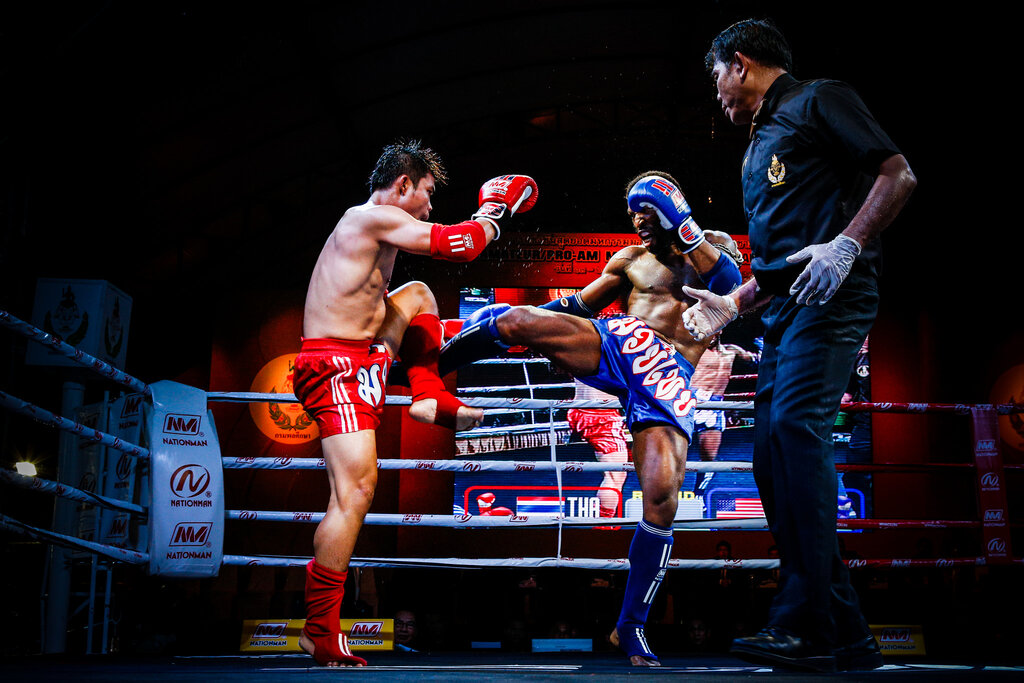
Learning how แทงมวย odds are set is the fastest way to move from guessing winners to betting on Muay Thai with a real edge. Unlike football, where deep markets keep prices efficient, Muay Thai lines are thinner and slower to react, which rewards anyone who studies fighters, camps, and scoring habits before the odds settle. Bookmakers price these fights on limited information, and the odds often reflect reputation more than the stylistic matchup. This guide explains how the main markets work, where value usually hides, and how to build a disciplined strategy.
How Muay Thai Odds Are Built
Muay Thai odds begin with the bookmaker’s assessment of each fighter’s chance of winning, adjusted for the sport’s distinctive scoring. Judges in Thailand traditionally reward balance, control, and clean, damaging strikes over sheer volume, so a fighter who lands fewer but harder shots can win rounds a casual viewer would score the other way. Bookmakers know this, and their opening lines lean on recent results, camp reputation, and betting patterns from sharp customers. Because the market is small, a handful of large bets can shift a price dramatically.
Moneyline Betting: Reading the Favourite and the Underdog
The moneyline is the simplest Muay Thai market, yet it still rewards careful reading. A favourite at minus 200 implies roughly a two-in-three chance of winning, while an underdog at plus 160 needs to win only about thirty-eight percent of the time to break even. Many bettors lose on moneylines by backing famous names at short prices, forgetting that a well-known fighter past his prime or fighting outside his natural weight is often overpriced by a public that remembers the highlight reel.
Underdogs deserve special attention because Muay Thai produces more upsets than boxing or mixed martial arts. The scoring emphasis on clinch control and kicks means a durable, technical fighter can neutralise a heavy-handed favourite for five rounds, and judges frequently reward the cleaner, more composed performance. Look for underdogs with strong cardio, a reliable teep to control distance, and a camp known for preparing fighters for specific opponents. When such a fighter is priced at plus 200 or longer, the odds often reflect name value rather than the real matchup.
Round Betting and Total Rounds
Round betting asks you to predict the exact round in which a fight ends, and it pays far better than the moneyline because the outcome is harder to forecast. Early stoppages usually involve a heavy favourite facing an overmatched opponent, so prices on rounds one and two are often short even when the favourite is genuinely dangerous. The real value tends to sit in the middle rounds, where cardio fades and accumulated damage from elbows and body kicks begins to tell.
Total rounds, usually set at two and a half or three and a half, offers a simpler way to bet on the shape of a fight rather than its winner. A bout between two durable, defensively sound fighters who rarely finish opponents is a strong candidate for the over, especially if both have gone the distance recently. Conversely, a pressure fighter with heavy hands against an opponent with a questionable chin points toward the under, even if the price looks short.
Method of Victory Markets
Method of victory markets let you bet on how a fight ends: knockout, technical knockout, or decision. Knockout prices are attractive when a proven finisher faces an opponent who has been stopped before, but they can be a trap when the finisher’s record was built against weaker competition. Decision prices reward knowledge of the scoring system: a technical fighter who controls the clinch and lands clean scoring strikes is far more likely to win on points than the market suggests.
Reading Fighter Form Beyond the Record
A fighter’s win-loss record tells only a fraction of the story, and bettors who rely on it alone will be misled. The quality of opposition matters enormously: a glossy record built against regional journeymen may collapse against a battle-tested opponent from a major Bangkok stadium. Look instead at who each fighter has faced, how those bouts were scored, and whether they were competitive against elite opposition.
Weight, camp, and preparation are the other pillars of form reading. A fighter moving up in weight often gains power but loses speed and cardio, while one cutting hard to make weight can look flat by the third round. The camp behind a fighter reveals how seriously they prepare: elite Bangkok gyms produce fighters with sharp timing and fight-specific game plans, while a fighter training alone or on short notice is a red flag regardless of talent. Watch for changes in a fighter’s corner, since a new coach can signal a fresh start or a camp in turmoil, and the market is usually slow to price that in.
Bankroll Strategy for Muay Thai Bettors
Even the sharpest analysis fails without bankroll discipline, and Muay Thai’s thin markets make stake management more important than in mainstream sport. A sensible approach is flat staking, risking the same small percentage of your bankroll, usually one to two percent, on every bet, so a losing run cannot wipe you out before your edge shows. Avoid chasing losses after a bad night, since the next card offers fresh opportunities and emotional betting is the fastest route to an empty account. Keep a record of every bet, including the odds taken and the closing line, to see whether your winners genuinely beat the market.
The most successful Muay Thai bettors treat the sport as a long-term study rather than a weekend flutter, and their advantage comes from patience, record keeping, and a willingness to pass on fights where the price offers no value. Specialising in one weight class or one stadium circuit deepens your knowledge faster than betting on every card, and over time you will spot mispriced fighters before the market corrects itself. Whether you prefer moneylines, round betting, or method-of-victory markets, the principles stay the same: understand the odds, respect the scoring, manage your bankroll, and let value come to you. Following แทงมวย coverage keeps you closer to the fighters and camps that shape every market.
