
A new study reports that nine in ten research papers disputing the definition of ultra-processed foods have ties to the food industry. The finding lands in the middle of a genuine scientific disagreement, and it deserves a measured reading: funding links do not decide whether an argument is right, but they are part of the evidence readers and policymakers should weigh.
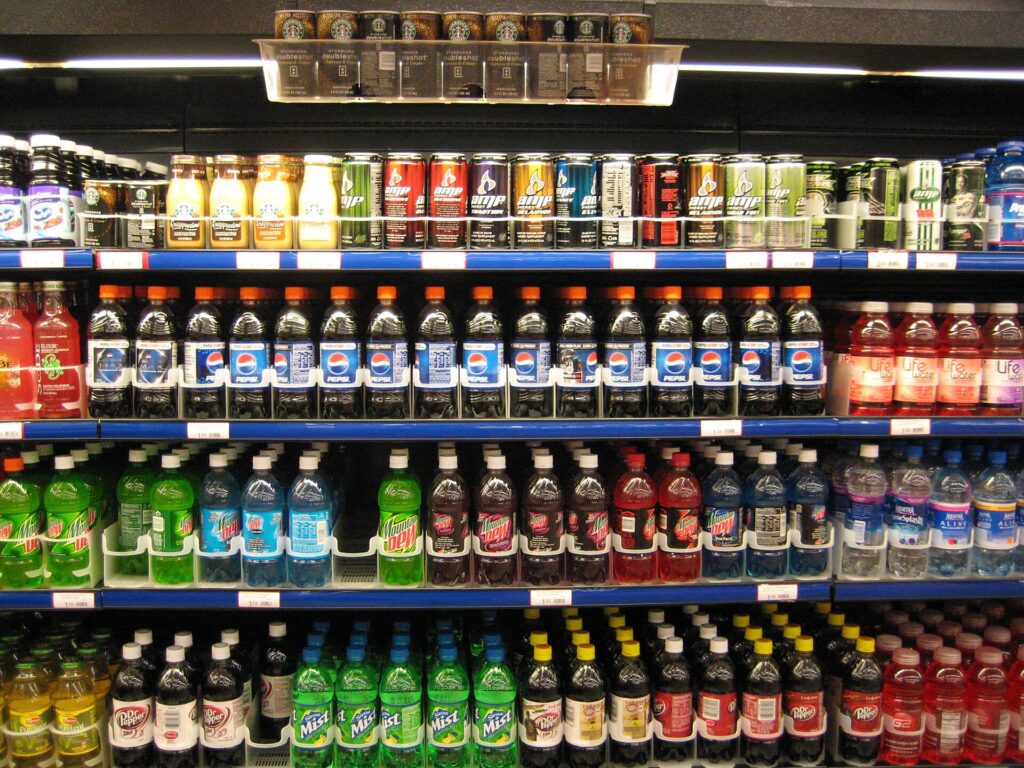
The definition in question comes mainly from the NOVA classification, which sorts foods into four groups according to how much industrial processing they undergo. Fresh and minimally processed foods form one end of the scale; ultra-processed products, formulated largely from industrial ingredients and additives, form the other. Soft drinks, reconstituted meats, packaged snacks and many ready meals sit in that final group.
How the Researchers Reached Nine in Ten
The team gathered papers that challenged the ultra-processed concept or its definition, then examined funding statements and author affiliations. Around ninety percent had some connection to manufacturers or industry-funded organisations. That concentration is striking because disputed definitions influence real policy: dietary guidelines, front-of-pack warning labels and rules on marketing to children all lean on how foods are categorised.
For official perspectives, the World Health Organization covers food standards work in the United States, while Harvard’s school of public health sets out international nutrition guidance. Both illustrate how slowly official positions move compared with journal debates, which is one reason the debate itself attracts so much funded attention.
The Scientific Argument, Fairly Stated
Sceptics of NOVA raise points that many independent researchers also acknowledge. Processing is an imperfect proxy: some ultra-processed products are nutritionally reasonable, and some minimally processed foods are energy-dense. Nutrient-based scoring, critics argue, is more precise and easier for regulators to apply consistently across thousands of products.
Defenders answer that the category was never only about nutrients. It describes a pattern of products designed for convenience, shelf life and heavy marketing, which in population studies tracks with diets high in calories and low in fibre. Our earlier coverage at this recent coverage showed how the same tensions surface whenever labelling reforms are proposed.
Reading Funding Disclosures Properly
An industry connection should prompt questions, not automatic dismissal. Who paid, for what, and did the funder see the results before publication? Were the data and methods open to other researchers? Those questions improve weak papers from any source and strengthen good ones, whatever their backing.
The reverse discipline matters too. Studies linking ultra-processed diets to poorer health are mostly observational, meaning they show associations rather than proof of cause. Income, smoking, exercise and total calories all travel with dietary patterns, and careful researchers adjust for them without eliminating uncertainty. We made a similar point about early-stage evidence in this related report, and it applies here with equal force.
What Changes for Labels and Shoppers
If governments expand ultra-processed labelling, expect the definitional fight to intensify, because a category boundary can move millions in sales. The new study strengthens the case for strict disclosure whenever funded research is submitted to consultations, so decision-makers can see the full picture rather than a curated slice of it.
For shoppers, little changes overnight, and that is fine. No single classification should run a household’s kitchen. Cooking more often from recognisable ingredients, reading labels with a sceptical eye and being wary of miracle claims in either direction remain sound habits while scientists and regulators argue about where exactly the ultra-processed line should fall.
There is also a lesson here for journals and universities. Disclosure statements only work when someone reads them, compares them and asks whether the pattern across a whole literature looks balanced. This study did that unglamorous work for one contested corner of nutrition science, and its method could be applied to almost any field where regulation follows research. Readers who value independent science should value the auditing habit just as highly, because a literature that is never audited is a literature anyone can quietly buy a share of, one plausible, professionally argued paper at a time.
