
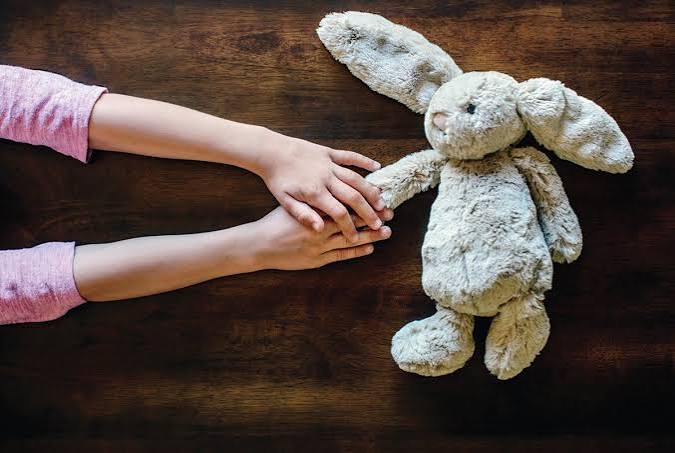
Most people own at least a few things that would look completely ordinary to someone else but feel almost impossible to throw away. It might be an old sweater, a scratched piece of furniture, a childhood toy, or a car that has seen better days. Logically, these things are just objects. Emotionally, though, they can carry years of memories, relationships, and personal history.
So, why do possessions end up meaning so much to you?
They Remind Us of Important Moments
Objects often become tied to particular experiences. A souvenir can bring back memories of a great vacation. A piece of jewelry might remind you of the person who gave it to you. Even something as simple as a coffee mug can make you think of a former workplace, an old friend, or a particular period in your life.
The object itself may not be especially valuable, but the memory attached to it can be priceless. In a way, possessions can act like physical bookmarks in your personal stories.
They Can Become Part of Our Identity
What you own can also say something about who you are, or at least who you believe yourself to be. Your clothes, books, furniture, cars, artwork, and hobbies all help create a picture of your tastes and interests.
Cars are a particularly good example. For some people, a vehicle is simply a practical way to get around. For others, it might represent independence, a major achievement, family adventures, or years of hard work.
That emotional attachment can influence decisions during a move. If you are relocating across the country might be far more willing to transport your car in Memphis than sell a vehicle that has genuine personal meaning to you, even if buying another car at the destination might seem simpler on paper.
Possessions Give Us a Sense of Continuity
Life changes constantly. People move, relationships evolve, children grow up, and careers take unexpected turns. Familiar possessions can provide a small sense of stability when everything else feels different.
This is one reason moving can feel surprisingly emotional. Packing your home forces you to look at objects you may not have thought about in years and decide whether they still belong in your life. Suddenly, an old box of photographs or a chair inherited from a grandparent feels much more significant.
We Associate Things With People
Sometimes, the strongest emotional connection is not really to the possession at all. It is to the person associated with it.
Inherited items are a perfect example. An old watch might have very little financial value, but if it belonged to someone you loved, replacing it with a newer one simply would not feel the same. The imperfections can even become part of what makes it special.
Meaning Matters More Than Money
It is easy to assume that expensive possessions matter most, but emotional value does not follow a price tag. A handwritten birthday card might mean more than an expensive piece of technology, while a battered old table may be more treasured than something brand new.
Ultimately, possessions become meaningful because people give them meaning. They hold memories, represent relationships, and remind you of earlier versions of yourself. Sometimes, keeping an object is really about keeping a small connection to a person, place, or moment that mattered.
