
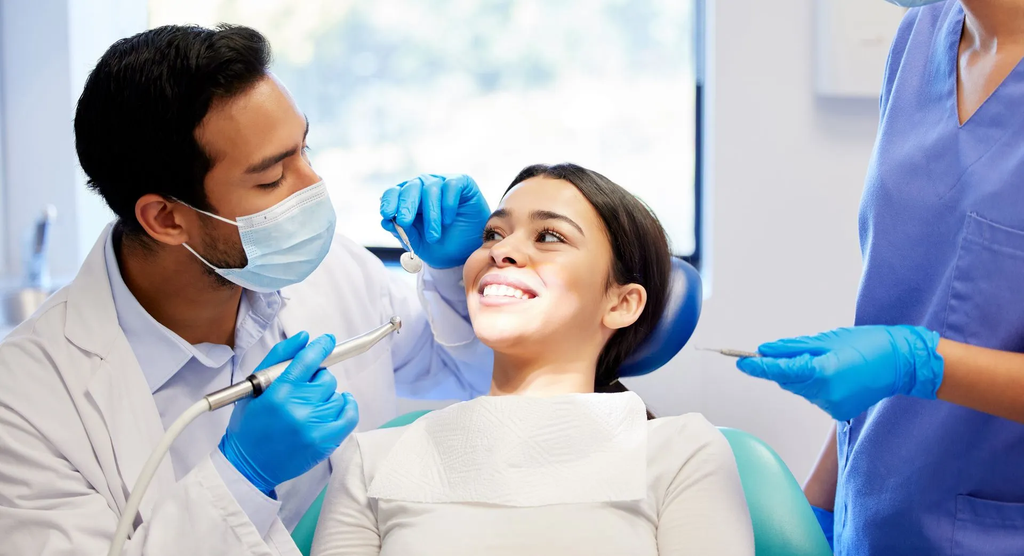
Dental care is increasingly being viewed as an important part of long-term health rather than something to think about only when a tooth starts hurting. People are becoming more proactive about looking after their teeth and gums, attending routine appointments and considering treatments that can protect or improve their smiles.
There are several reasons behind this shift. Greater awareness of preventative care, changing attitudes towards cosmetic dentistry, and a desire for more personalized treatment have all influenced how people approach their oral health. For many, spending money on dental care today is seen as an investment that could help maintain comfort, confidence, and quality of life in the years ahead.
Prevention Has Become a Bigger Priority
One of the biggest changes in dental care is the growing focus on prevention. Waiting until something hurts can mean that a dental problem has already progressed and requires more extensive treatment.
Regular examinations give dentists an opportunity to monitor the condition of the teeth, gums, and mouth. Potential concerns can sometimes be identified before they develop into more disruptive problems.
This approach can be particularly valuable with conditions that do not necessarily cause noticeable symptoms during their early stages. Tooth decay and gum problems, for example, may develop gradually. Routine care provides an opportunity to identify changes and discuss suitable preventative measures.
Patients are also becoming more aware of what they can do between appointments. Effective brushing, interdental cleaning, sensible dietary choices, and following individual dental advice can all form part of a preventative approach.
People Are Thinking About Their Teeth Long Term
Dental health is not simply about avoiding a toothache this week or next month. Increasingly, people are considering what they want their teeth to be like in ten, twenty, or even thirty years.
Natural teeth experience considerable wear throughout a lifetime. Decay, gum problems, accidental damage, grinding, and general wear can all affect them. Taking care of smaller issues and maintaining good oral hygiene may help protect natural teeth for longer.
This longer-term perspective changes the way dental treatment is viewed. Instead of seeing an appointment as an isolated expense, patients may see professional dental care as part of maintaining their health over time.
It is similar to other forms of preventative health care: consistency can be easier than dealing with a significant problem after it has developed.
Confidence in Your Smile Matters
Health remains the most important reason to look after teeth, but appearance also influences people’s decisions.
A smile can have a significant effect on how someone feels about their appearance. Discoloration, missing teeth, uneven teeth, or other concerns may make some people reluctant to smile in photographs, speak openly, or feel completely comfortable in social situations.
Modern dentistry offers a wide range of options for people who want to change aspects of their smile. Depending on individual circumstances, these might include professional whitening, orthodontic treatment, veneers, crowns, or solutions for missing teeth.
The aim does not always have to be a dramatically different smile. Many patients simply want healthy teeth that look natural and allow them to smile comfortably.
Patients Want More Choice Over Their Care
Another reason people are investing more in dentistry is the desire for greater choice.
Dental treatment is highly personal. Two people with apparently similar concerns may have different priorities, budgets, and preferences. One might be focused primarily on maintaining oral health, while another may also want to discuss the appearance of their teeth.
For people considering a private dentist Matlock & Chesterfield, access to personalized advice can help them understand the treatments available and make decisions based on their individual circumstances.
Having choices does not necessarily mean selecting the most complex treatment. In many cases, it means having a detailed conversation about the available approaches, their benefits, limitations, and suitability before deciding how to proceed.
Technology Has Changed the Dental Experience
Advances in dental technology have also influenced expectations.
Modern dental practices may use digital imaging, scanning, and other technologies to assess oral health and plan treatments. Depending on the procedure, these tools can give both the dentist and patient a clearer understanding of what is happening and what treatment may involve.
Technology has also changed certain restorative and cosmetic procedures. Digital planning can be useful when assessing changes to the smile, while modern materials can provide restorations designed to blend naturally with surrounding teeth.
For patients who remember dental treatment from decades ago, today’s experience may feel noticeably different.
People Understand the Value of Acting Early
Ignoring a dental concern rarely makes it easier to manage. A relatively minor problem can sometimes become more complicated when left untreated. For example, early tooth decay may initially require relatively straightforward management, whereas more advanced damage could require a filling, root canal treatment, crown, or, in some circumstances, extraction.
This is one reason people are increasingly willing to invest in regular dental care. Addressing problems at an appropriate stage may reduce the likelihood of facing more involved treatment later.
The same principle applies to gum health. Bleeding or irritated gums should not simply be accepted as normal. Professional assessment can help determine the cause and provide appropriate advice.
Dental Health Can Affect Everyday Life
Teeth have practical jobs to do every day. They help people bite, chew, and speak, while the mouth itself can influence comfort and general wellbeing.
Dental problems can interfere with these everyday activities. Tooth sensitivity may make eating or drinking uncomfortable, while a damaged or missing tooth can affect chewing. Persistent discomfort can also become distracting and make normal routines more difficult.
Investing in dental health is therefore about much more than achieving an attractive smile. Maintaining comfortable, functional teeth can contribute to everyday quality of life.
Adults Are More Open to Improving Their Smiles
Cosmetic and orthodontic dental treatment is no longer widely regarded as something primarily for younger people.
Adults of many ages are choosing to explore improvements to their smiles. Some may have wanted straighter teeth for years, while others notice changes such as staining, wear, or missing teeth as they get older.
More discreet treatment options have also made certain procedures easier to consider for adults with professional and social commitments. Rather than feeling that they have missed their opportunity to improve their teeth, many people now recognize that dental care can be considered at different stages of life.
Dental Care Is Becoming Part of Wider Self-Care
Attitudes towards personal wellbeing have changed considerably. People routinely invest in exercise, skincare, nutrition, and other areas that help them feel healthy and confident. Dental care increasingly sits alongside these priorities.
A consistent routine does not need to revolve around cosmetic procedures or major treatment. For many people, investing in their dental health simply means brushing effectively, cleaning between their teeth, attending appointments at intervals recommended by their dentist, and seeking professional advice when something changes.
A Healthy Smile Is a Long-Term Investment
The growing interest in dental health reflects a broader change in how people think about their teeth. Rather than responding only when something goes wrong, more patients are taking a preventative and long-term approach.
Regular professional care, good daily habits, and timely treatment can all contribute to maintaining healthy, functional teeth. For those who also want to improve the appearance of their smile, modern dentistry provides additional options that can be discussed according to individual needs.
Ultimately, investing in dental health is about protecting something people use every day. Taking care of teeth now can support comfort, function, and confidence for years to come.
