
Winter gear has changed dramatically over the past few decades. Synthetic fabrics now dominate store shelves, promising warmth at lower price points. Yet people who spend real time in freezing temperatures keep circling back to the same material to keep them warm. Natural fur continues to hold its ground, and the reasons go well beyond tradition or nostalgia.
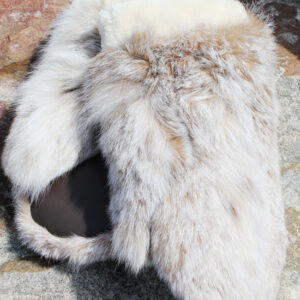
The conversation around cold weather accessories often overlooks one critical detail about material performance. Fabrics that trap heat without managing moisture create problems fast. That is exactly where fur ear muffs stand apart from their synthetic alternatives. Genuine fur regulates temperature and wicks moisture at the same time, which means comfort lasts through hours of real exposure rather than fading after the first thirty minutes spent outdoors.
The Science Behind Fur’s Stubborn Advantage
How Natural Fibres Trap Warmth So Effectively: Each fur fibre contains a medulla, a hollow core that locks warm air in tiny pockets. This structure works like double-glazed windows, creating an insulation barrier that synthetic filaments struggle to copy. Uniform plastic-based threads simply cannot match the layered complexity found inside a single strand of animal fur.
Why Thermal Conductivity Matters More Than Thickness: Most people assume thicker means warmer, but that is not always true. What matters is how slowly a material allows body heat to escape. Fur scores extremely well on this front because its natural structure resists heat transfer far more effectively than polyester or acrylic blends of comparable weight.
Wind Resistance Without the Bulk: Dense underfur creates a natural windbreak that synthetic fleece cannot replicate without adding noticeable thickness. You get protection from biting wind gusts without the stiffness or weight that comes with layered polyester alternatives. That slim profile matters when comfort and mobility are priorities during extended outdoor activities.
What Harsh Conditions Reveal About Your Gear
Steady Warmth Over Hours of Exposure: Spending time in sub-zero conditions exposes the gap between marketing claims and actual performance quickly. Synthetic materials often feel warm initially but lose effectiveness as perspiration builds. Natural fur maintains a stable microclimate against the skin, keeping warmth consistent whether you are walking, standing still, or moving between heated indoor spaces.
Durability That Drops the Cost Per Wear: Cheap synthetic accessories rarely survive more than one or two seasons of regular use. Pilling, compression, and loss of loft degrade their insulating capacity fast. Quality fur, when looked after properly, holds its structure and warmth for years. The long-term value far exceeds the upfront savings of disposable alternatives.
Sheared Beaver Fur and the Edge It Delivers
Density That Translates Directly Into Performance: Beaver fur ranks among the densest available, with roughly 23,000 hairs per square centimetre. Shearing creates a uniform, velvety surface that sits comfortably against skin without the bulk of unsheared pelts. That density means superior heat retention and wind resistance, making it a practical choice for ear protection during brutal winter months.
Built on Generations of Cold Weather Knowledge: Products crafted with sheared beaver fur draw on traditions rooted in centuries of surviving harsh Canadian winters. Moisture wicking happens naturally through the fur’s structure, preventing that clammy feeling synthetic covers produce after extended wear. The result is an accessory that breathes, insulates, and lasts without relying on chemical treatments or coatings.
Where Synthetics Quietly Let You Down
The Performance Gaps Most Shoppers Overlook: Choosing winter accessories based on price alone is a gamble that often backfires. Specific areas where synthetic materials consistently underperform include the following.
- Moisture buildup accelerates heat loss, leaving ears feeling colder after just twenty minutes of outdoor exposure in freezing temperatures.
- Static cling from polyester-based fabrics creates constant discomfort and pulls at hair, making the wearing experience genuinely unpleasant over time.
- Compression across seasons flattens synthetic fibres, reducing the trapped air pockets responsible for insulation during the second winter of use.
- Chemical water-resistance treatments degrade with each wash cycle, stripping away the one advantage synthetics hold against natural alternatives.
The Hidden Price of Going Cheap: Replacing synthetic ear coverings every year adds up faster than most people realise. Beyond the financial waste, there is the environmental toll of discarding petroleum-based products repeatedly. Natural fur, sourced responsibly, biodegrades and lasts long enough to offset its higher initial cost several times over.
Warmth That Lasts When It Counts Most
Natural fur earned its reputation in extreme cold for good reason. No synthetic has managed to replicate the combination of temperature regulation, moisture management, and lasting durability that quality fur provides. Sheared beaver fur ear muffs represent that advantage in a practical, everyday accessory built for real winter conditions. If staying warm through the coldest months matters to you, explore handcrafted fur accessories that deliver on that promise.
