
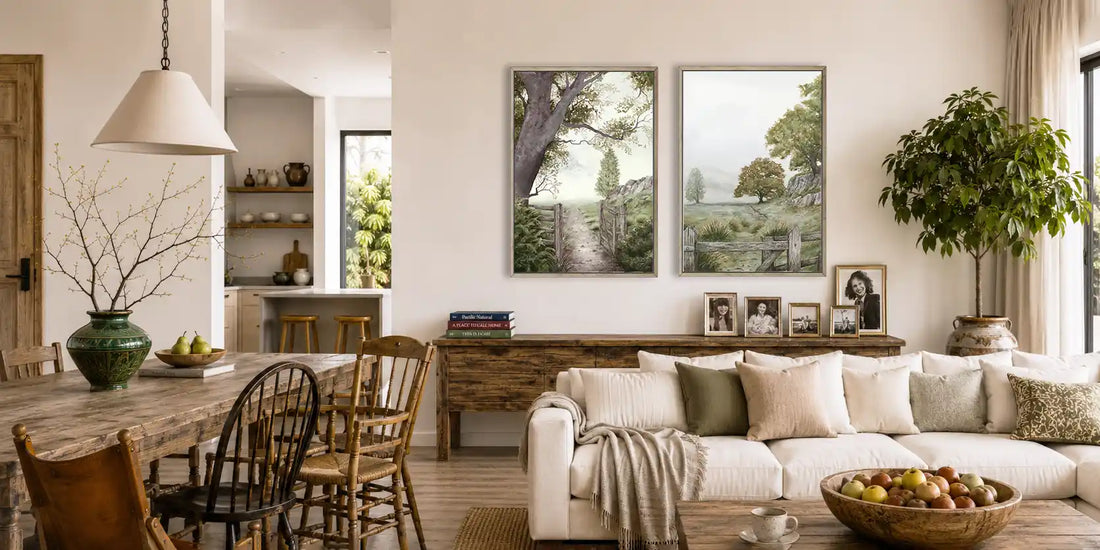
Country living has a charm that is difficult to replicate. The appeal of having more space, being closer to nature, and creating a home that feels relaxed rather than overly polished is hard to beat. However, a successful country lifestyle is about more than exposed beams, muddy boots, and picturesque views. Behind the attractive exterior, a rural home needs to function properly and suit the realities of everyday life.
The good news is that practicality and style do not have to compete. With thoughtful choices, here’s how you can create a country lifestyle that feels comfortable, beautiful, and genuinely manageable throughout the year.
Design Your Home Around Real Life
It is easy to get carried away by images of immaculate country kitchens and perfectly styled living rooms, but your home ultimately has to work for the way you actually live.
If you are regularly coming inside after walking the dog, gardening, or spending time outdoors, create an entrance that can cope with muddy shoes and wet coats. A boot room, utility area, or well-organized section near the back door can make a big difference.
Durable flooring is another sensible investment. Stone, tile, engineered wood, and other hard-wearing materials can provide plenty of character while being easier to maintain than delicate surfaces.
Storage matters too. Built-in cupboards, benches with hidden storage, hooks, and traditional cabinets can keep outdoor clothing, tools, pet supplies, and seasonal items under control without compromising the look of the space.
Make Practical Infrastructure A Priority
Some of the most important parts of country living are the features that guests will never notice.
Depending on where your home is located, you may not have access to all of the utilities and services that people in towns and cities take for granted. Rural properties can rely on private drainage systems, oil or LPG heating, wells, boreholes, or alternative internet connections.
These systems should be treated as an essential part of maintaining your home. For example, properties that are not connected to the main sewer network may rely on a septic tank. Therefore, arranging appropriate maintenance and using professional services when necessary can help keep these less glamorous but vital parts of rural life working effectively.
Before purchasing or renovating a country property, take some time to understand how its utilities operate, what needs servicing, and what potential problems to watch for.
Choose Materials That Improve With Age
One of the biggest advantages of country style is that nothing has to look brand new forever.
In fact, many materials become more attractive as they age. Solid wood develops character, natural stone gains texture, and quality leather can look better after years of use.
This makes natural materials particularly well suited to a busy country home. Wooden dining tables, stone countertops, linen upholstery, woven baskets, wool rugs, and ceramic accessories can all contribute to a relaxed interior while standing up well to everyday life.
Try not to make everything match perfectly. A slightly collected look often feels much more authentic in a rural property.
Invest In A Hardworking Kitchen
The kitchen tends to become the center of country life. It may be where meals are prepared, guests gather, children complete homework, produce from the garden is sorted, and muddy cups of coffee are enjoyed after a long walk.
For that reason, your kitchen needs to be designed around function first.
Prioritize generous work surfaces and easy-to-access storage. Deep drawers can make bulky pots easier to organize, while a pantry or tall cabinet can provide space for ingredients you use regularly.
If there is room, a large kitchen table or island can give the space extra flexibility, serving as somewhere to eat, work, bake, or entertain.
Create Comfortable Outdoor Spaces
One of the main reasons that people are attracted to country living is the opportunity to spend more time outdoors, so make sure your garden is somewhere you genuinely want to use.
Think about different zones and how they might fit into your routine. You could have a practical area for growing vegetables, a sheltered dining space for summer evenings, and a comfortable corner where you can read or enjoy your morning coffee.
Outdoor furniture should be robust enough to cope with changing weather, while storage can help keep cushions, gardening equipment, and children’s toys protected.
Dress For The Lifestyle You Actually Have
Country style does not stop at your front door. Your wardrobe can also combine practicality with personal style.
Waterproof jackets, sturdy boots, cozy knitwear, durable jeans, and lightweight layers can all become part of your everyday look.
Choose pieces that can move easily between settings. A waxed jacket can work just as well for a morning dog walk as it can for a casual lunch, while leather boots and quality knitwear can look polished without being too precious for rural life.
Bring Nature Into Your Interior
You do not need to fill your home with obvious countryside decorations to create a rural atmosphere. Often, the simplest approach is to take inspiration from the environment outside.
Muted greens, warm browns, soft creams, and earthy reds can create a calm color palette. Fresh flowers, branches, dried grasses, and seasonal foliage can add natural texture without making a room feel overly styled.
You can also allow the surrounding landscape to become part of the interior by keeping window areas relatively uncluttered.
Make The Home Work Through Every Season
Country living can feel very different depending on the time of year. Summer might mean long evenings outdoors, while winter can involve rain, mud, shorter days, and colder temperatures.
Preparing your home for those seasonal changes will make everyday life easier. Good insulation, efficient heating, lined curtains, rugs, and warm lighting can make rooms feel inviting in winter, while lightweight textiles and easy access to the garden can help during warmer months.
Aim For Comfort Rather Than Perfection
Perhaps the most important part of creating a country lifestyle is accepting that it should feel lived in.
A country home does not need to remain immaculate at all times. There may be muddy footprints near the door, vegetables on the kitchen counter, gardening tools waiting to be put away, or a dog asleep on the sofa.
By investing in dependable infrastructure, durable materials, thoughtful storage, and comfortable spaces, you can build a home that handles the practical demands of rural life without losing its charm. The result is a country lifestyle that looks stylish but, more importantly, feels easy and enjoyable to live in.
