
Moves do not always happen in a straight line from one home to the next. Sometimes the old lease ends before the new home is ready, a renovation delays the move-in date or you are relocating abroad for a few months. In these situations, temporary storage bridges the gap. Choosing the right storage solution protects your belongings and keeps costs under control. This guide explains when storage makes sense, which options are available and how to pack items for storage safely.
When Do You Need Temporary Storage?
- Gap between homes: you must leave your old home before you can move into the new one.
- Renovation: your home is being renovated and furniture must be moved out.
- Home sale: you want to declutter and stage your home to make it more attractive to buyers.
- Working or studying abroad: you will be away for months and want to keep your belongings.
- Downsizing: you need time to decide what to do with items that do not fit in your new home.
- Life changes: separation, inheritance or other situations where decisions take time.
Types of Storage
Self-Storage Units
Self-storage facilities rent lockable units of various sizes, from small lockers to garage-sized rooms. You bring the items yourself or with the help of movers and can usually access them during opening hours or around the clock. They are flexible and suitable for both short and long periods.
Container Storage
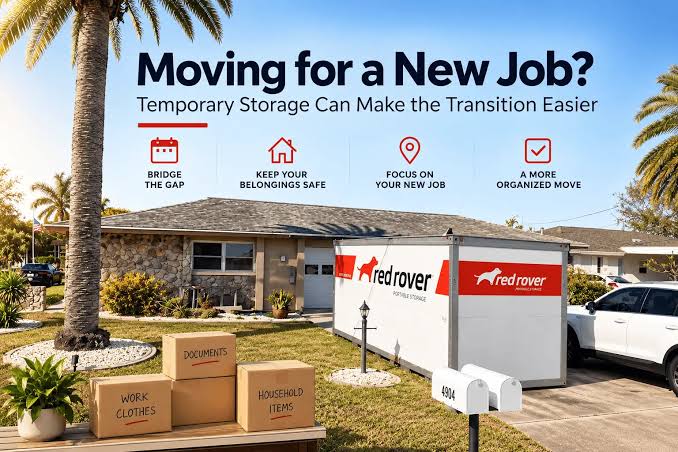
Some companies deliver a storage container to your home, you load it and they transport it to a secure facility. This reduces handling, as items are loaded only once.
Moving Company Storage
Many moving companies offer storage as part of their service. The movers pack, transport and store your belongings, then deliver them to the new home when you are ready. This is the most convenient option, especially for short gaps between homes.
Friends and Family
A relative’s garage or basement may seem like a free solution, but consider humidity, security and the risk of damage. Unheated spaces are not suitable for furniture or electronics during the Finnish winter.
What to Look for in a Storage Facility
- Climate control: heated and dry storage protects wooden furniture, textiles, electronics and documents.
- Security: look for access control, camera surveillance and alarm systems.
- Accessibility: check opening hours and whether you can visit your unit when needed.
- Insurance: find out whether stored items are covered by the facility’s insurance or your own home insurance.
- Flexible contracts: short notice periods give you flexibility if your plans change.
- Location: a facility near your old or new home reduces transport costs.
Choose the Right Size
Paying for unused space is a waste, but a unit that is too small makes packing difficult. As a rough guide, the contents of a one-bedroom apartment fit into a unit of about 5 to 8 square metres, depending on how high you can stack. Make an inventory before booking and ask the facility for advice.
Packing for Storage
Items in storage stay packed for weeks or months, so packing matters even more than in a normal move.
- Clean and dry everything before storing it to prevent mould and odours.
- Use sturdy boxes of the same size so they stack safely.
- Wrap furniture in breathable covers rather than airtight plastic, which can trap moisture.
- Disassemble large furniture to save space.
- Defrost and dry refrigerators and leave their doors slightly open.
- Place frequently needed items near the front of the unit.
- Keep a detailed inventory with box numbers and photos.
Moisture is the biggest risk for stored belongings. The US Environmental Protection Agency notes that controlling moisture is the key to preventing mould, which applies to storage spaces as much as homes.
What Not to Store
Most facilities prohibit hazardous materials such as fuel, gas bottles, paints, chemicals and fireworks. Food, plants and animals should never be stored. Valuables, important documents and irreplaceable items are better kept with you or in a bank safe deposit box. The Finnish Safety and Chemicals Agency Tukes provides guidance on the safe storage of hazardous substances.
Combining Storage With Your Move
The easiest solution is to use one company for both moving and storage. Your belongings are packed and transported once to storage and delivered to your new home when it is ready, without you having to coordinate multiple providers. If you are moving in the capital region and need a combined solution, Kuljetusvarma can help you plan transport and storage together.
Frequently Asked Questions
How much does temporary storage cost?
Prices depend on unit size, location and services. Short-term rentals are often charged monthly.
Can I store items for just a week?
Many facilities and moving companies offer short rental periods, though minimum terms may apply.
Conclusion
Temporary storage solves many moving challenges, from gaps between homes to renovations and stays abroad. Choose a secure, climate-controlled facility, pick the right size, pack carefully and keep an inventory. With the right storage solution, your belongings stay safe until your next home is ready.
